

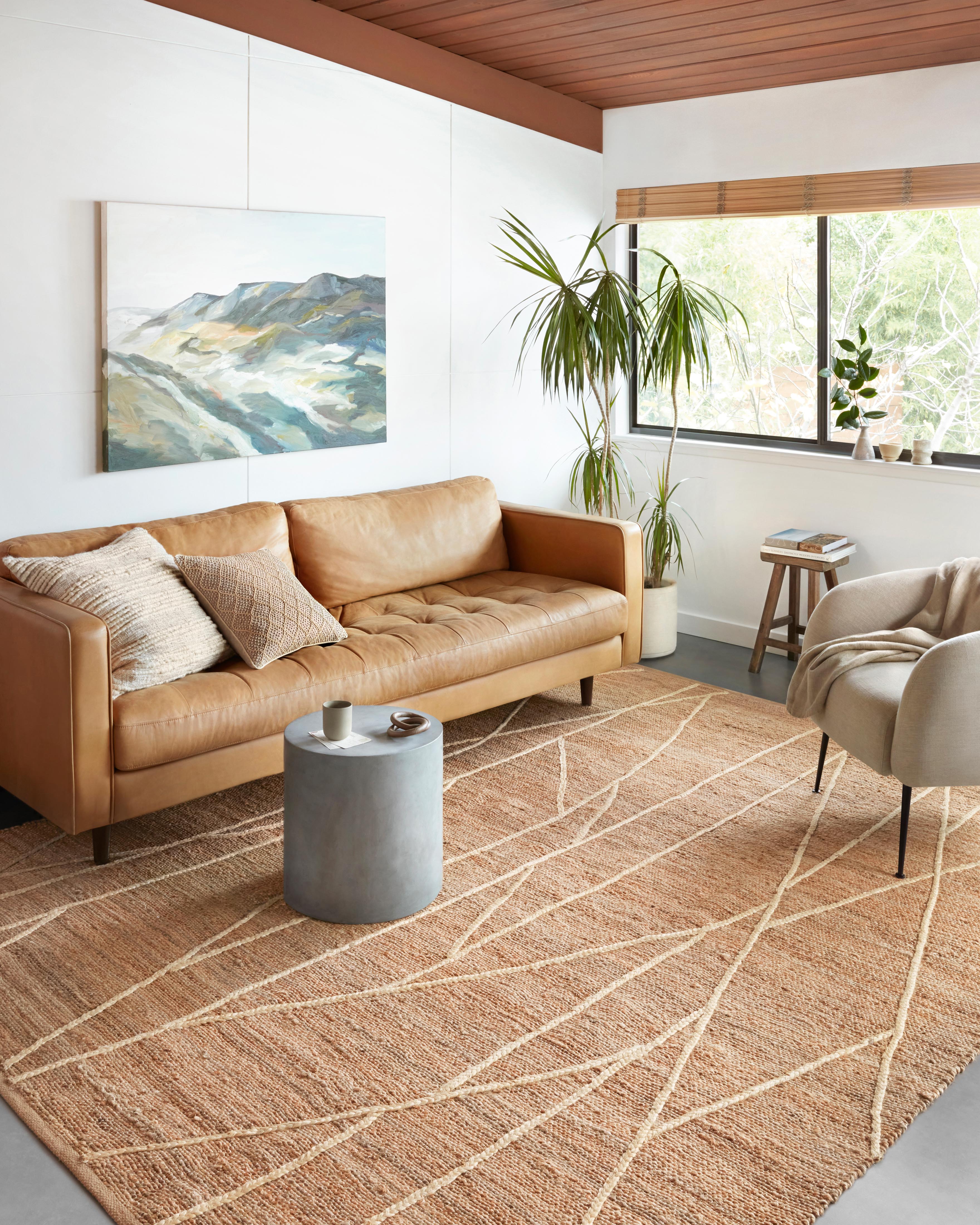
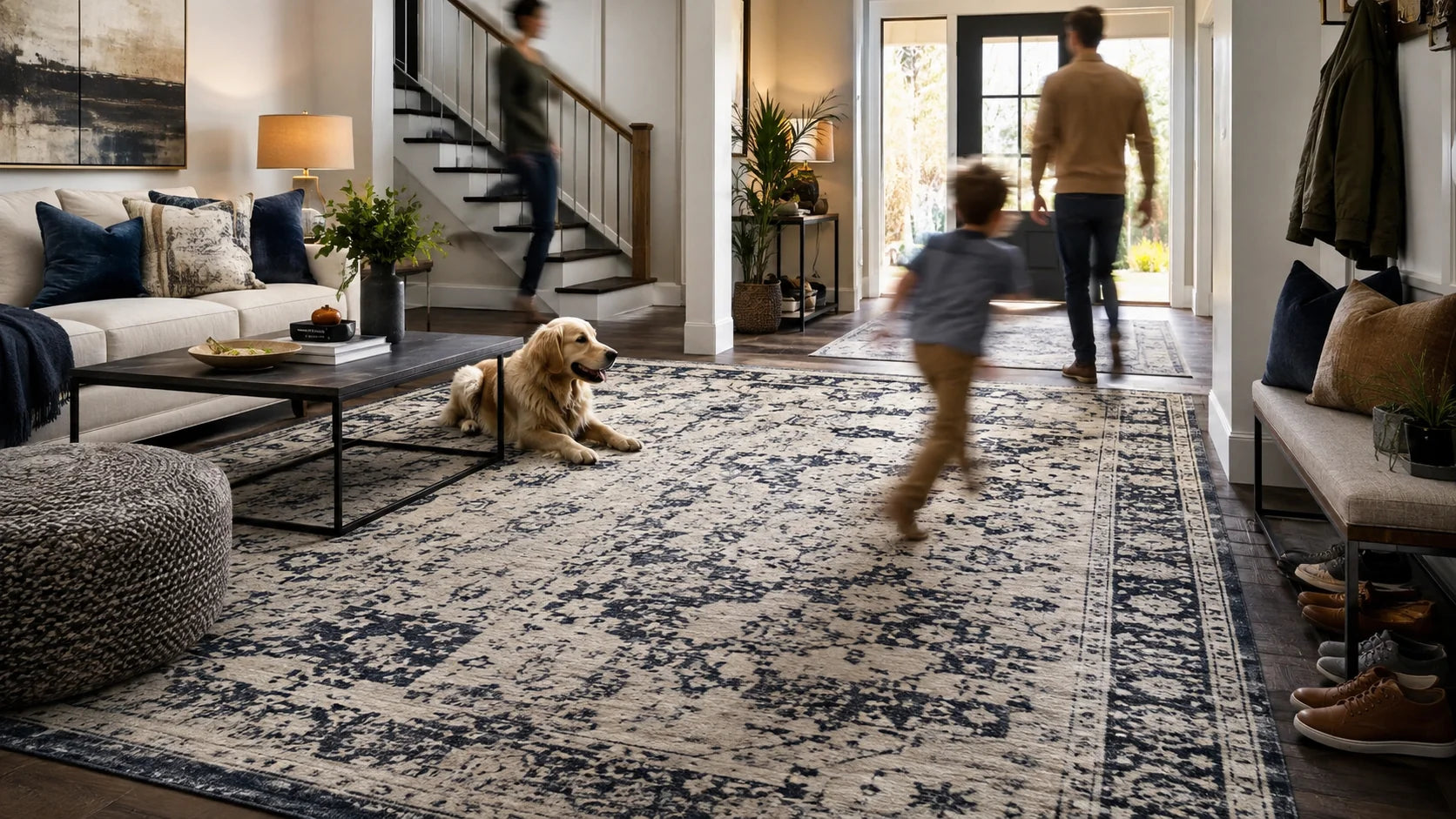
The hallway tells the truth. So does the family room, the entry, and that stretch between the kitchen and dining area where everyone seems to pass ten times a day. If you are shopping for the best rugs for high traffic spaces, you are not just choosing a pattern you love. You are choosing how a room will hold its shape, color, and comfort through real life.
A high-traffic rug has to do more than look polished on arrival. It should soften the room, support the flow of daily routines, and still feel like a design decision rather than a compromise. The sweet spot is durability with presence - a rug that handles shoes, pets, kids, chairs, and constant movement while still grounding the space beautifully.
What makes the best rugs for high traffic?
The answer usually starts with construction, not color. In busy rooms, low pile or flatwoven styles tend to outperform plush, lofty textures because they resist crushing and are easier to clean. Dense fibers also matter. A rug with a tight weave and a stable surface keeps its appearance longer, especially in spaces where furniture shifts and footsteps repeat along the same path.
Material plays an equally important role. Wool remains a favorite for good reason. It has natural resilience, a soft hand, and impressive staying power in living rooms, halls, and family spaces. It also tends to bounce back better than many softer synthetic options. That said, wool is not always the automatic answer. If your home is especially busy, or spills are part of the daily rhythm, performance-minded synthetic fibers can be the better fit.
Polypropylene is often one of the most practical choices for high-traffic homes because it is durable, easy to maintain, and generally forgiving in active areas. Polyester can bring rich color and softness, though it may show wear sooner in the busiest zones. Natural fibers like jute and sisal create beautiful texture and an airy, relaxed look, but they are usually better in dry spaces where you are not expecting frequent spills.
Best rug materials for busy rooms
If your goal is long-term value, wool and polypropylene usually lead the conversation. Wool feels elevated and timeless, which makes it especially attractive in living rooms and larger gathering spaces where comfort matters as much as resilience. It carries a quiet sense of luxury without feeling precious.
Polypropylene, on the other hand, is often ideal for entryways, hall runners, playrooms, and dining areas where practicality needs to be front and center. It is a smart choice for households that want designer-inspired style with less maintenance anxiety. For many shoppers, that balance is exactly what makes a rug feel livable.
Cotton can work in casual spaces, especially in flatwoven designs, but it tends to wear faster than sturdier options. Jute and sisal bring beautiful organic character, though they are firmer underfoot and less forgiving when stains happen. Blended constructions can be a strong middle ground, especially when they pair visual texture with everyday durability.
Pile height matters more than most people think
In high-traffic areas, lower pile is almost always the safer choice. A low-profile rug keeps doors clear, allows furniture to sit more evenly, and makes vacuuming easier. It also tends to show less matting over time. That is why flatweaves, looped constructions, and tightly woven low-pile rugs are so often the most successful options for active households.
Higher pile rugs still have their place, especially in bedrooms or lower-traffic sitting areas where softness is the priority. But in an entry or hallway, a plush rug can start looking tired far sooner than a leaner construction. If you love a softer look, aim for a dense low pile rather than a shaggy texture.
The best rugs for high traffic rooms by space
An entry rug should be hardworking from the first step. This is where dirt, moisture, and daily wear begin, so a low-pile or flatwoven rug in a darker color palette or subtle pattern tends to perform best. It creates a welcoming first impression while helping disguise the evidence of busy mornings.
In hallways, runners with dense construction and visual movement are especially effective. Repeating motifs, tonal designs, and vintage-inspired patterns can soften the look of wear while adding depth to a narrow space. Since hallways naturally funnel foot traffic, durability is nonnegotiable here.
Living rooms ask for a little more balance. This is a space where comfort, style, and resilience need to work together. A wool or performance synthetic rug with a refined pattern can anchor the furniture arrangement while standing up to family life. Medium-to-low pile is usually the most graceful choice, particularly if the room sees daily use.
Dining rooms benefit from rugs that are easy to maintain and easy to move chairs across. Low pile is key, and the pattern should be forgiving enough to handle crumbs and the occasional spill without looking fussy. Flatwoven and performance fiber rugs often shine in this setting because they feel tailored and practical at once.
Color and pattern can hide more than wear
One of the smartest design moves in a high-traffic room is choosing a rug that works with wear rather than against it. Solid ivory can look serene and beautiful, but in a busy hallway it may ask more of you than you want to give. That does not mean you need to go dark or overly busy. It simply means variation helps.
Multitone palettes, heathered fibers, vintage-inspired motifs, and layered neutrals are often ideal because they conceal small marks between cleanings and keep the rug looking composed. Mid-tone colors tend to be especially versatile. They do not show every speck like very light rugs, and they do not reveal lint and dust as quickly as very dark ones.
Pattern can also shape the mood of the room. Traditional and transitional rugs are often excellent choices for high-traffic spaces because their detail naturally camouflages everyday wear. Modern rugs can work beautifully too, especially when they use tonal contrast or subtle texture instead of stark, uninterrupted fields of color.
Don’t overlook the rug pad
Even the best rugs for high traffic areas perform better with the right foundation underneath. A quality rug pad helps reduce shifting, adds cushioning, and protects both the rug and the floor. It can also help a rug wear more evenly by minimizing friction and movement.
This is especially important in hallways, under dining tables, and in living rooms where furniture weight and repeated footsteps can stress the fibers. The rug may be the visible layer, but the pad is part of what makes the whole setup feel secure, polished, and worth the investment.
How to shop without second-guessing your choice
Start with the room, then think honestly about your household rhythm. Are shoes usually on or off? Do kids play on the floor? Are pets part of the picture? Is this a space where spills are occasional or inevitable? The right answer is not always the most expensive rug or the trendiest one. It is the rug that fits the way your home actually lives.
Then consider scale. A rug that is too small can make a busy room feel fragmented, while the right size creates visual calm and helps traffic flow around the furniture rather than through awkward edges. In many cases, a larger rug with a stable, low-profile surface feels more intentional and performs better over time.
When shopping online, details matter. Look for clear notes on pile height, material, and traffic suitability. In-stock visibility, fast shipping, customer feedback, and a reassuring return window can make the process feel far more confident, especially when you are furnishing a central part of the home. That mix of design inspiration and practical clarity is what turns browsing into a smart purchase.
There is no single perfect rug for every busy room. A soft wool design may be exactly right for one living space, while a durable flatwoven runner makes more sense for another. The best choice is the one that keeps its beauty in motion - welcoming every footstep, framing everyday life, and still making the room feel thoughtfully finished long after move-in day.

Share:
How to Choose Kid Friendly Area Rugs
Easy Care Rugs for Families That Still Look Good