

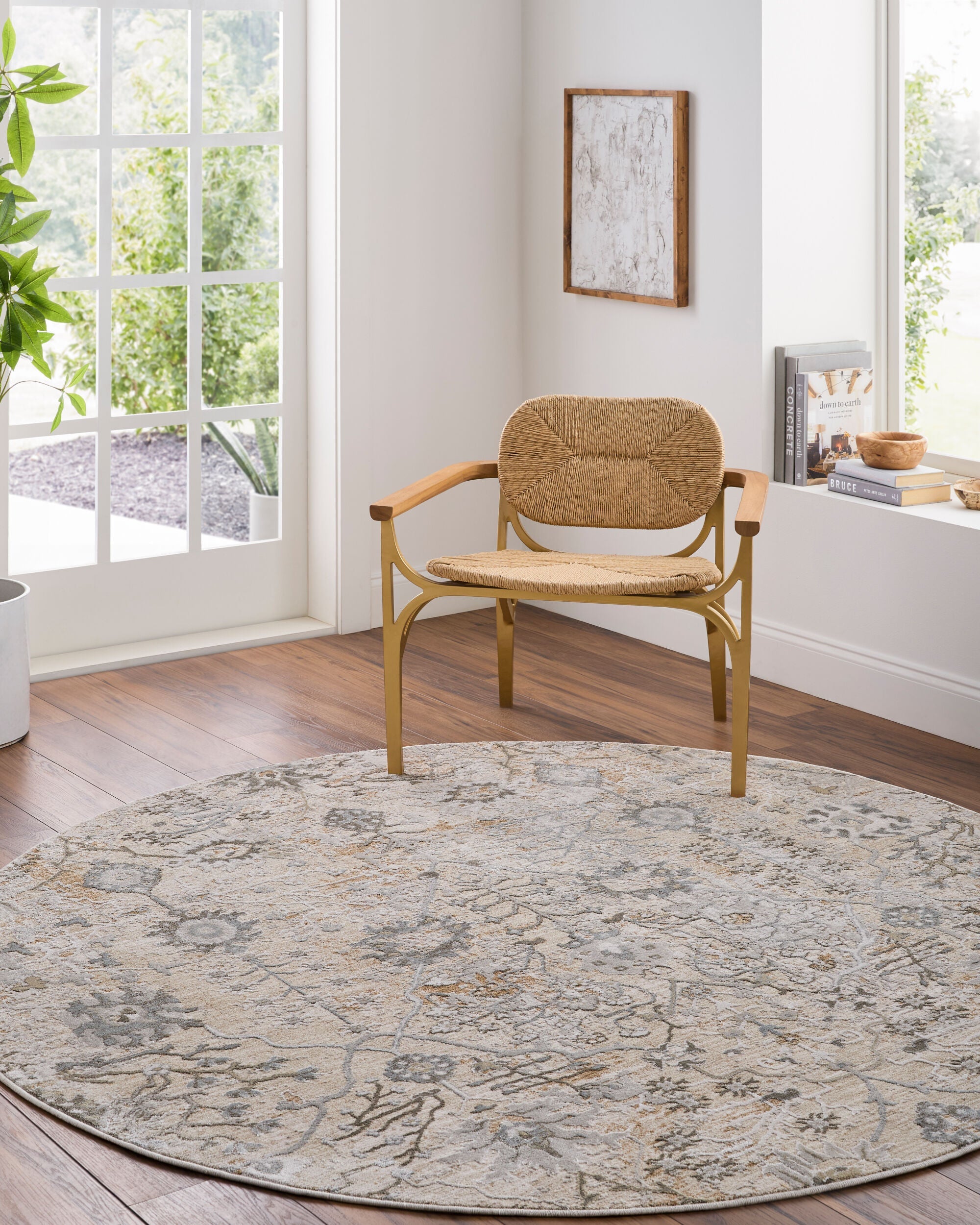
A dining room can feel perfectly furnished and still look slightly off if the rug shape is fighting the table. That is why round rugs for dining room layouts can be such a smart design move. When the shape underfoot echoes the shape above it, the room feels more intentional, more balanced, and often more spacious at a glance.
Why round rugs work so well in a dining space
A round rug softens a room in a way a rectangular rug simply cannot. It breaks up hard lines from cabinetry, windows, and flooring, which is especially helpful in dining rooms that lean formal or feel boxy. Under a round table, the effect is immediate. The rug frames the furniture naturally and creates a sense of tranquil harmony without asking for extra styling.
That said, round rugs are not only for round tables. In square dining rooms, a round rug can introduce contrast and keep the space from feeling too rigid. If your dining area sits within an open floor plan, a circular silhouette can also define the eating zone with a quieter, more artful presence than a large rectangle.
The main trade-off is precision. Round rugs look effortless when sized correctly, but a rug that is too small tends to feel noticeably underscaled. Dining chairs catch on the edge, the proportions feel skimpy, and the entire room loses some of its polish.
The first rule for round rugs for dining room layouts
The rug should be large enough for chairs to stay on the rug, even when pulled out. This is the detail that separates a beautiful dining setup from one that is frustrating to use every day. As a general guideline, you want at least 24 inches of rug extending beyond the table edge on all sides. In homes where chairs are larger or have a wider stance, a little more clearance is even better.
For many round dining tables, that means an 8-foot round rug is the starting point, not the finish line. A 48-inch table with four chairs may work on an 8-foot rug, while a 60-inch table often feels more comfortable on a 9-foot or 10-foot round rug. If you have six chairs, generous sizing becomes even more important because each pulled-back chair needs room to remain stable.
Before choosing a size, measure the table fully extended if it has leaves. Then measure the chairs in their pulled-out position, not tucked in. That second measurement is the one people skip, and it is usually the one that matters most.
A quick way to test size before you buy
Painter's tape can save you from an expensive guess. Mark the rug diameter on the floor, then pull the chairs in and out as you would during a meal. If chair legs cross outside the taped line, size up. If the rug feels oversized in the room, check how much floor remains visible between the rug and the walls. A little breathing room keeps the layout feeling composed.
Best materials for a dining room rug
Dining rooms ask a lot from a rug. It needs to look refined, but it also has to handle crumbs, chair movement, and the occasional spill. The best material depends on how formal your dining room is and how your household actually lives.
Polypropylene and other performance-minded synthetic fibers are often a strong choice for busy homes. They tend to be durable, easier to clean, and forgiving in family spaces where weeknight dinners look different from holiday entertaining. They also come in an impressive range of elevated designs now, so practicality does not mean sacrificing character.
Wool brings beautiful texture, natural resilience, and a designer-favorite finish. It feels richer underfoot and often wears very well over time, especially in dining rooms used more for gatherings than constant daily traffic. The trade-off is maintenance. Wool can require a little more care, and if easy cleanup is your top priority, a lower-maintenance fiber may be the better fit.
Flatweaves and low-pile rugs are typically the easiest to live with under a dining table. Chairs slide more smoothly, crumbs are easier to vacuum, and the surface tends to feel neater overall. Plush or shag styles may look inviting, but they are usually less practical here. Chair legs can sink, movement feels awkward, and cleanup becomes more tedious than it needs to be.
Pattern, color, and what hides real life
The prettiest dining room rug is not always the one that performs best after the first dinner party. Pattern can be your ally. Traditional motifs, tonal medallions, and softly distressed designs help disguise crumbs, lint, and small marks between cleanings. That lived-in visual texture is one reason these styles remain so appealing in dining spaces.
Solid rugs can be striking, especially in a modern room, but they tend to reveal every speck more quickly. If you love a quieter look, consider a rug with subtle variation in color rather than a completely uniform surface. It keeps the effect serene while still being practical.
Darker tones often feel grounded and forgiving, while lighter palettes can make a dining room feel airy and expansive. Neither is automatically right. If your room lacks natural light, a pale rug can brighten it beautifully. If you have young kids, pets, or frequent entertaining, a medium tone with movement in the pattern may give you the best balance of elegance and ease.
Matching the rug to your table finish
Think in terms of contrast, not exact coordination. A dark wood table over a mid-tone or lighter rug creates definition. A glass pedestal table can handle more pattern because the rug remains visible and becomes part of the visual story. Painted tables and mixed-material dining furniture often pair especially well with transitional and contemporary round rugs that blend softness with structure.
Shape pairing matters more than people think
The most obvious pairing is round rug with round table, and for good reason. It feels cohesive and beautifully resolved. But there are a few variations worth considering.
A pedestal table is especially well suited to a round rug because the base sits neatly within the circular frame and leaves visual breathing room around it. Four-leg tables can work just as well, though you may want to be slightly more careful about chair placement and rug size.
If you have a square table, a round rug can still be a sophisticated choice. The contrast softens the angles and keeps the room from reading too heavy. With a rectangular dining table, however, a round rug is more of a style statement than a default solution. It can work in smaller breakfast nooks or visually layered spaces, but in a traditional dining room, a rectangle usually supports the proportions more naturally.
Don’t overlook rug pads and pile height
A dining room rug should not slide every time someone sits down. A quality rug pad adds grip, protects the floor, and can help the rug wear more evenly over time. It also gives the setup a more substantial, finished feel.
Pile height matters too. Lower profiles are usually best because they let chairs move with less resistance. If a rug is too thick, the dining area starts to feel less graceful in use, even if it looked appealing online. This is one of those practical details that has a big effect on satisfaction once the rug is in your home.
When a round rug changes the whole room
Sometimes the right rug does more than anchor the table. It changes the mood of the room. A faded traditional round rug can bring timeless elegance to a newer dining set. A crisp border design can sharpen a casual breakfast area. A softly textured neutral can calm a room filled with bold art, darker millwork, or statement lighting.
This is where curated shopping matters. Seeing clear dimensions, pile details, material cues, in-stock availability, and customer reviews makes it easier to choose with confidence, especially for a shape that depends so heavily on proportion. Rug Resources approaches this with the kind of practical clarity that helps shoppers move from inspiration to decision without second-guessing every measurement.
Choosing with confidence
If you are deciding between two sizes, the larger option is often the better one for dining. If you are deciding between a beautiful high-pile style and an easy low-pile option, the lower profile is usually the one you will appreciate over time. And if you love a light rug but know your dining room sees constant action, look for pattern and tonal movement rather than a flat solid finish.
The best round rugs for dining room settings feel graceful when the chairs are tucked in, practical when they are pulled out, and visually grounded from every angle. When those pieces come together, the dining room does more than look complete. It feels ready for real life, which is where good design earns its place.

Share:
Bohemian Rugs for Bedroom Style That Lasts
Square Rug Placement Guide for Every Room