


A rug can change the temperature of a room before you change a single lamp or throw pillow. The rug color trends 2026 point toward homes that feel more personal, grounded, and comfortably layered - with hues chosen for the way real life happens around them. Think sun-washed clay, softened blue, deep berry red, and nuanced neutrals that bring calm without disappearing into the background.
For homeowners and renters alike, this is welcome news. The strongest color directions are not about replacing everything each season. They are about choosing a rug with enough depth, softness, and character to carry a room through evolving furniture, wall colors, and everyday routines.
Rug Color Trends 2026 Favor Depth Over Perfection
The polished all-neutral room is making space for a more collected point of view. Neutral rugs still have a place, especially in open-concept homes and high-traffic family rooms, but the newest neutrals are warmer and more dimensional. Instead of stark gray or flat ivory, look for oatmeal, mushroom, flax, putty, warm taupe, and sand with subtle variations in the weave or pattern.
These shades create a gentle foundation while making wood tones, aged brass, black accents, and upholstered furniture feel more intentional. A tonal rug is especially useful when a room already has several visual moments, such as patterned drapery, art, or a statement sofa. It provides visual rest without making the space feel unfinished.
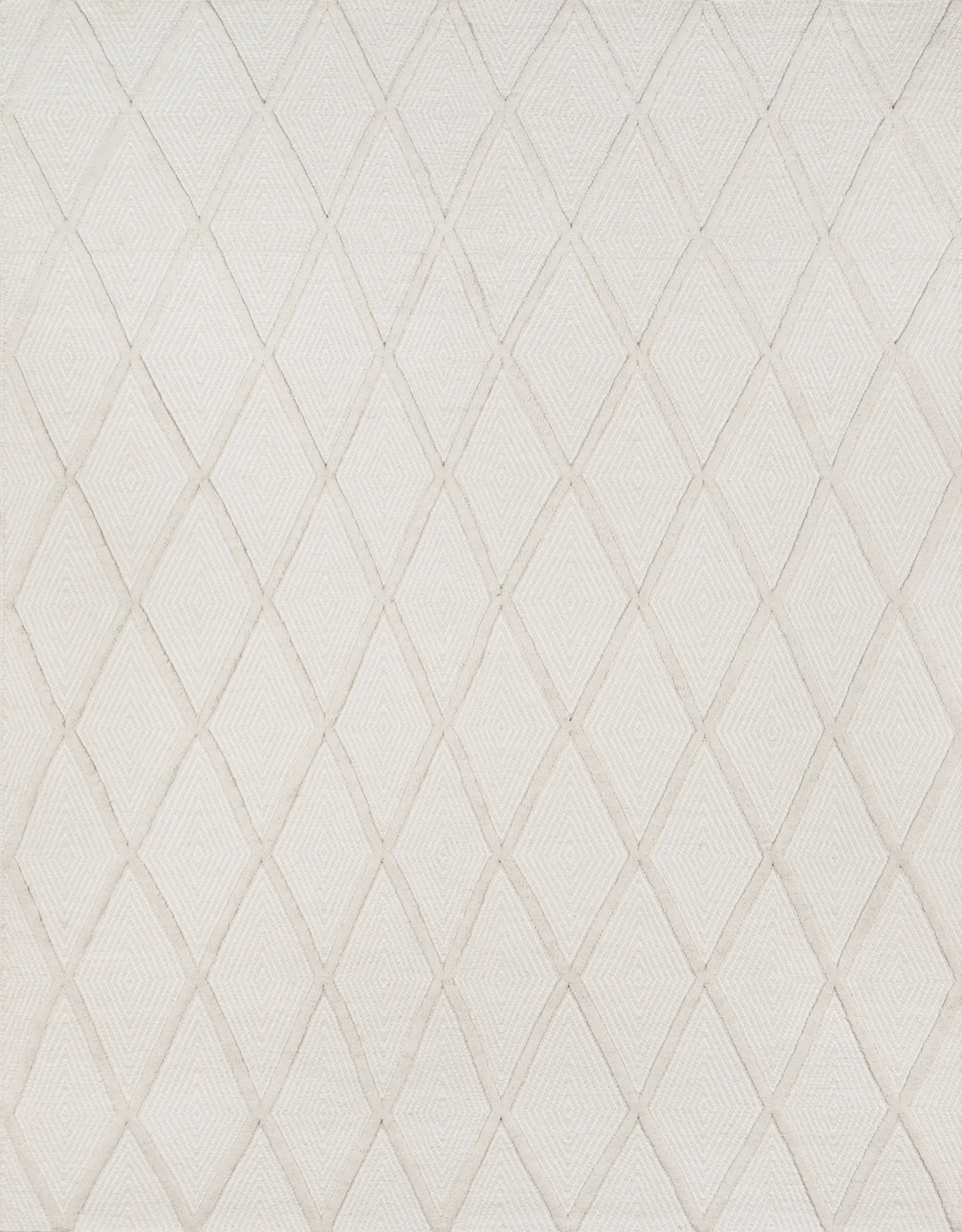
The difference is in the detail. A warm ivory rug with flecks of camel and pale brown will generally feel more forgiving than solid cream. A low-contrast geometric or faded vintage pattern can add movement while remaining easy to live with. For households with children, pets, or frequent guests, those layered tones also do a better job of disguising the small marks of daily life.
Clay, terracotta, and toasted earth
Earthy reds continue to evolve beyond the bold rust shades of recent years. In 2026, the mood is more softened and sunbaked: terracotta, cinnamon, clay, paprika, tobacco, and muted brick. These colors have a natural affinity with oak furniture, woven textures, leather, and creamy upholstery, but they are not limited to rustic spaces.
A contemporary living room can feel instantly warmer with a rug that blends clay and beige in an abstract design. In a traditional dining room, a faded red vintage-inspired rug can add the sense of history that makes newer furniture feel less formal. The key is undertone. If your walls lean cool, choose a rug with subdued rose or brown notes rather than bright orange-red. If your home gets abundant warm sunlight, a deeper tobacco or brick tone often feels balanced throughout the day.
Soft blues with a lived-in quality
Blue remains a natural choice for bedrooms, coastal-inspired interiors, and living spaces where serenity matters. But the blue rugs gaining attention are less crisp and nautical than the familiar navy-and-white formula. Look for dusty denim, mineral blue, faded indigo, blue-gray, and softened slate.
These hues offer the calm of blue without making a room feel overly themed. A washed blue rug can cool down a sunny room filled with warm woods, while a blue-gray runner brings a composed feeling to a busy hallway. In bedrooms, blue layered with ivory, tobacco, or pale taupe creates a restful palette that still has dimension.
For a larger living room, consider a blue rug with touches of tan, charcoal, or muted terracotta. The mixed palette gives you more flexibility when styling pillows and accent chairs, and it is less likely to show lint or everyday wear than a very pale solid blue.
Rich Accent Colors Take Their Place Underfoot
One of the most expressive rug color trends 2026 brings into view is the return of saturated, heritage-inspired accents. Wine, oxblood, mulberry, olive, forest green, and deep saffron are appearing in rugs that feel artful rather than heavy. They offer a way to introduce color at floor level, where it can anchor a room instead of competing with every surface.
Deep red is particularly compelling in spaces that need weight. In a living room with light walls and a pale sofa, a rug touched with burgundy or berry creates an immediate focal point. It can make the room feel more finished, especially when echoed once or twice in a pillow, artwork, or ceramic detail. The goal is not perfect matching. A room feels more considered when colors relate rather than repeat exactly.
Greens are equally versatile, although their success depends on the shade. Olive and moss pair beautifully with warm neutrals, vintage wood, and natural fibers. Deep forest green can be striking in a library, den, or dining room, where the atmosphere benefits from a little drama. For smaller rooms, select a rug where green is blended with cream, tan, or blue rather than used as one uninterrupted field of color.
Saffron and golden ochre deserve attention, too. They bring warmth to gray upholstery and make rooms with black metal or dark wood feel less severe. Because yellow-based tones can read quite differently under daylight and evening lamps, review the room’s lighting before committing. A muted ochre often delivers more staying power than a bright marigold.
How to Choose a Trend-Forward Color That Lasts
A beautiful rug should reflect the room you have, not just the room you saved to a mood board. Start by looking at the colors that cannot easily change: flooring, cabinetry, large upholstery, and wall paint. A rug does not need to match these elements, but it should acknowledge them. A cool charcoal floor may need the warmth of taupe, clay, or layered beige. Honey-toned flooring may look especially good with blue, olive, or a balanced neutral pattern.
Next, consider the job the rug needs to do. A pale, minimal rug can bring calm to a quiet bedroom, while a busy household may benefit from a multicolor pattern with a darker ground. Hallway runners should be chosen with traffic in mind as much as color preference. A rich, speckled palette can preserve its polished appearance far longer than an unforgiving solid ivory runner.
Scale matters as well. A large rug with an expansive dark field can make a generous room feel intimate and tailored, but it may visually shrink a compact apartment living room. In a smaller space, try a lighter overall palette with one stronger accent color woven through the design. You still get personality, just with more breathing room.
Let the palette guide the style
Color and pattern work together. A traditional rug in softened reds and blues can bridge antique pieces with a modern sofa. A contemporary abstract rug in warm sand and mineral blue can bring movement to a clean-lined room. Global-inspired patterns often shine in earthy palettes, especially when paired with rattan, linen, and collected ceramics.
If you enjoy changing accents seasonally, choose a rug with at least three colors rather than a strict two-color scheme. A multitone rug gives you more options for pillows, throws, and art as your style evolves. It also tends to feel more forgiving when new furniture enters the room.
Color Is Only One Part of a Confident Rug Choice
The most appealing rug colors still need to suit your lifestyle. Consider pile height in dining areas where chairs need to move easily, and look for durable constructions in entryways, hallways, and family rooms. In homes with active children or pets, a tonal pattern and practical fiber can matter as much as the exact shade of blue or red.
Before ordering, measure generously. In a living room, a rug that reaches beneath the front legs of the seating often creates a more cohesive, inviting arrangement than one that floats in the center. In a bedroom, allowing the rug to extend beyond the sides and foot of the bed gives the space a more luxurious, grounded feel. A rug pad can add comfort, reduce shifting, and help the rug sit beautifully in its intended place.
At Rug Resources, the most enduring choices tend to balance visual feeling with everyday function: a color story you love, a size that supports the room, and a construction suited to the traffic it will see. Let 2026’s warmer, more expressive palettes give you permission to choose a rug with presence. The right one will not simply coordinate with the room - it will make the room feel like home.


Share:
Synthetic Versus Natural Rug Fibers Compared
Rug Pile Height: Choose the Right Feel