

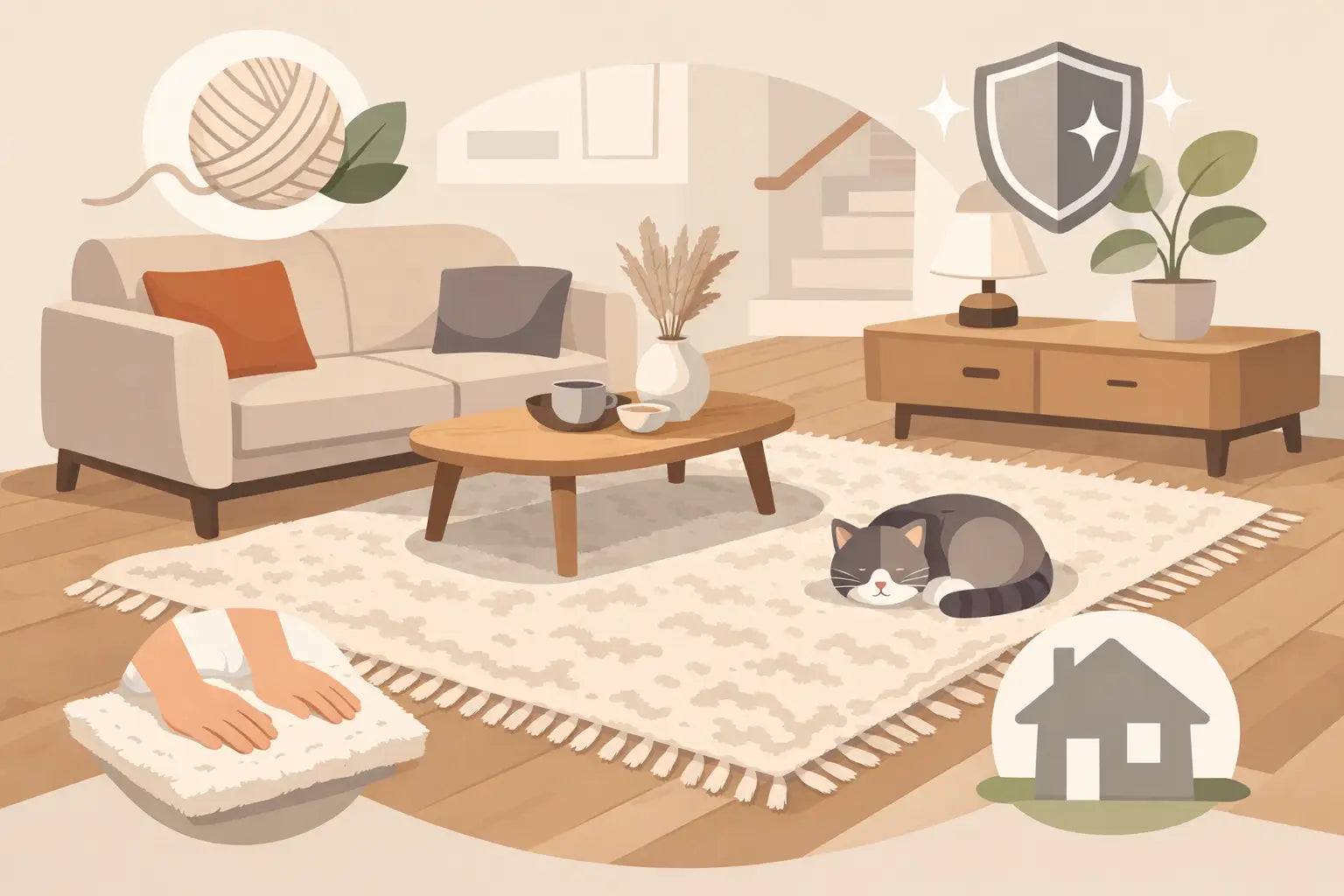
A rug can look beautiful on day one and still feel like the wrong choice six months later if it cannot handle real life. That is why so many shoppers ask, are wool rugs durable enough for busy living rooms, family bedrooms, hallways, and homes with pets or kids? The short answer is yes - often impressively so - but durability in wool depends on the construction, the room, and how you care for it.
Are wool rugs durable enough for high-traffic rooms?
Wool has earned its reputation for a reason. The fiber is naturally resilient, which means it tends to spring back after compression instead of staying crushed under furniture or heavy foot traffic. In a living room or hallway, that matters. A rug that can recover its shape keeps its texture and presence longer, so the room continues to feel polished instead of tired.
That natural bounce is one of wool’s biggest advantages over many synthetic or plant-based fibers. It helps wool rugs maintain a fuller appearance over time, especially in cut pile and hand-tufted styles where texture is part of the visual appeal. If you want a rug that brings softness underfoot but still has the character to stand up to daily movement, wool is often one of the strongest material choices.
Still, not every wool rug performs the same way. A tightly woven low-pile wool rug usually handles constant use better than a lofty, chunky weave in the same fiber. If the space gets a lot of action - think entry-adjacent living spaces, stairs landings, or long hall runners - construction matters just as much as material.
What makes wool so durable?
Wool fibers have a natural crimp and elasticity that gives them a kind of built-in memory. Instead of flattening permanently, they tend to rebound. That is a practical benefit, but it is also a design benefit. Patterns stay clearer, pile looks richer, and the rug keeps its tailored finish longer.
Wool also contains natural lanolin, which gives it a degree of resistance to dirt and moisture. That does not make wool stain-proof, but it does mean spills often sit on the surface for a bit longer than they might on more absorbent materials. With quick attention, many messes are easier to manage than shoppers expect.
Another overlooked point is that wool does not usually show wear in the same harsh way as some lower-cost fibers. Instead of looking frayed or shiny as quickly, it tends to age with more softness and depth. In interiors where you want a rug to feel timeless rather than disposable, that quality matters.
Where wool rugs perform best
Wool rugs are especially well suited to living rooms, bedrooms, dining rooms with moderate use, home offices, and styled family spaces where comfort and longevity need to work together. They bring a warmth that feels elevated without being formal, and they fit beautifully into everything from traditional rooms to cleaner contemporary interiors.
In bedrooms, wool feels especially compelling because it offers softness underfoot while still holding up to everyday movement around the bed. In living rooms, it brings texture and visual richness without sacrificing practicality. In a home office, it can soften acoustics and help the room feel more finished.
For hallways and runners, wool can be an excellent choice if the weave is durable and the pile is not too high. A flatwoven or low-pile wool runner often delivers the right balance of structure and comfort.
The trade-offs to know before you buy
Wool is durable, but it is not carefree. That distinction is worth understanding.
First, many wool rugs shed, especially when they are new. This is normal, particularly with hand-tufted construction. The loose fibers usually lessen with regular vacuuming, but during the early months, you may notice fluff in your vacuum bin and around the rug surface. For some shoppers, that is a small trade for the softness and quality wool brings. For others, especially in very busy homes, it is something to factor in.
Second, wool can be more sensitive to harsh cleaning methods. You cannot treat it like an indoor-outdoor rug or scrub it aggressively with strong chemicals. Spot cleaning needs a lighter touch, and for larger messes or deep cleaning, professional care is often the best route.
Third, wool usually comes with a higher upfront price. That can feel like a stretch compared with synthetic alternatives. But for many homes, the longer lifespan and more elevated look justify the investment, especially in rooms where the rug anchors the entire design story.
Are wool rugs durable with pets and kids?
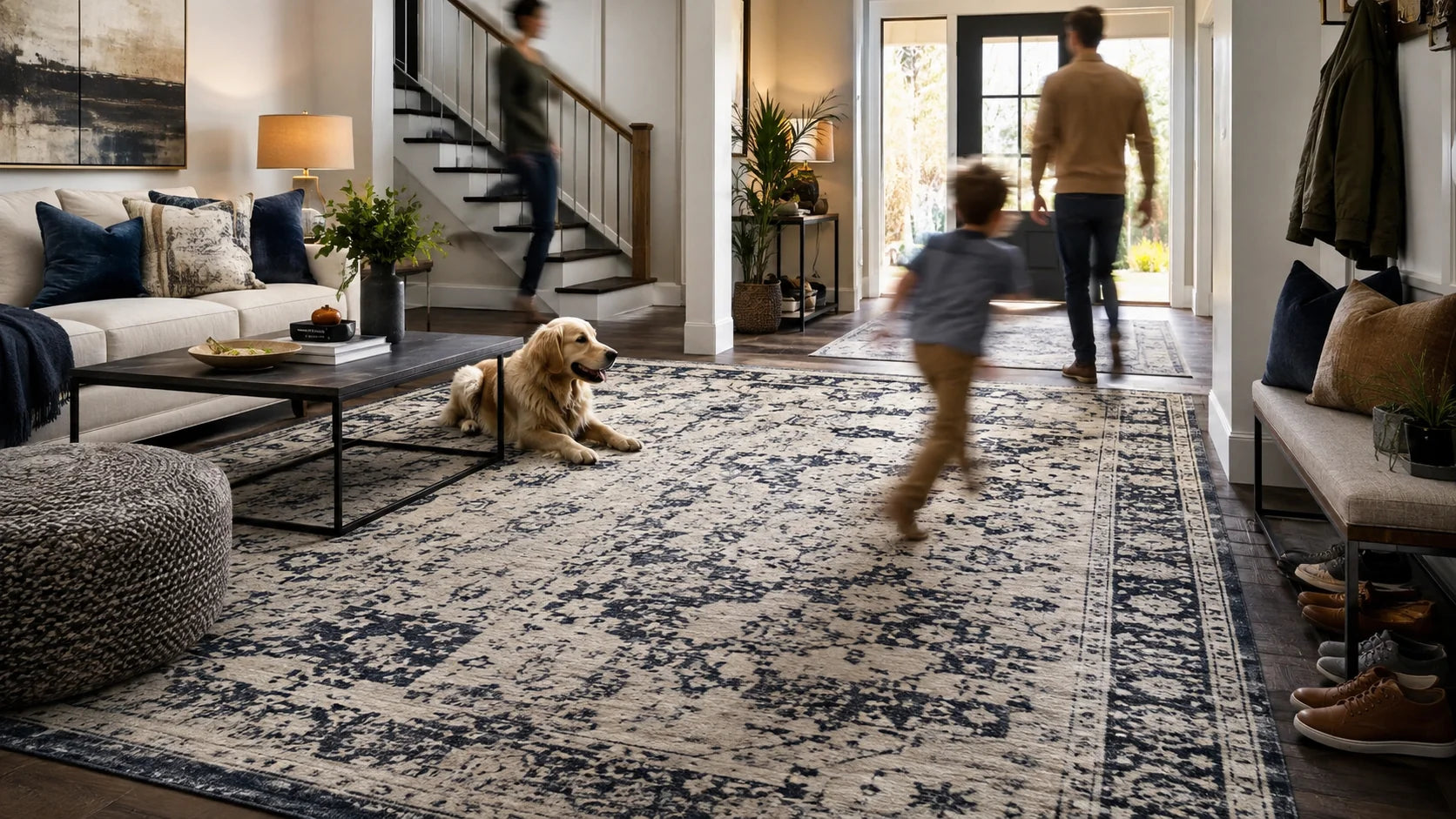
Often, yes - with realistic expectations. Wool can work beautifully in family homes because it has natural resilience and can hide everyday dust better than some smoother synthetic surfaces. It also feels more substantial underfoot, which many households love in spaces where everyone gathers.
That said, pets and wool can be a mixed equation depending on your lifestyle. Claws may catch on looped constructions, and accidents need fast cleanup to prevent staining or odor. If you have a puppy in training or a cat prone to scratching, the specific rug style matters. A tightly woven wool rug with a lower profile is usually the safer pick than a looped or shaggy option.
For kids, wool is often a strong performer in play-friendly spaces because it is soft, comfortable, and generally able to handle repeated use. Crumbs, tracked-in dust, and the occasional spill are manageable if you stay on top of maintenance. If your home sees a constant rotation of art projects, snack time, and high-energy traffic, choosing a patterned wool rug can also help disguise the little signs of daily life.
How wool compares to other rug materials
If durability is your main concern, wool usually sits in a very appealing middle ground. It is more refined and naturally resilient than many budget synthetics, but more comfortable and design-rich than some ultra-utilitarian materials.
Compared with polypropylene, wool often feels softer, denser, and more luxurious, while also offering better natural recovery from crushing. Polypropylene can be easier for heavy messes and outdoor-style cleaning, so it may be the better fit for very spill-prone zones. But in terms of texture, warmth, and long-term visual character, wool tends to feel more elevated.
Compared with jute or sisal, wool is generally more forgiving underfoot and more resilient in everyday living spaces. Natural plant fibers have wonderful texture, but they can feel rougher and may be less forgiving with spills. Wool usually brings a gentler, more livable finish.
Compared with cotton, wool typically lasts longer and handles traffic better. Cotton rugs can be charming and casual, but they often flatten and wear faster in hardworking rooms.
How to make a wool rug last longer
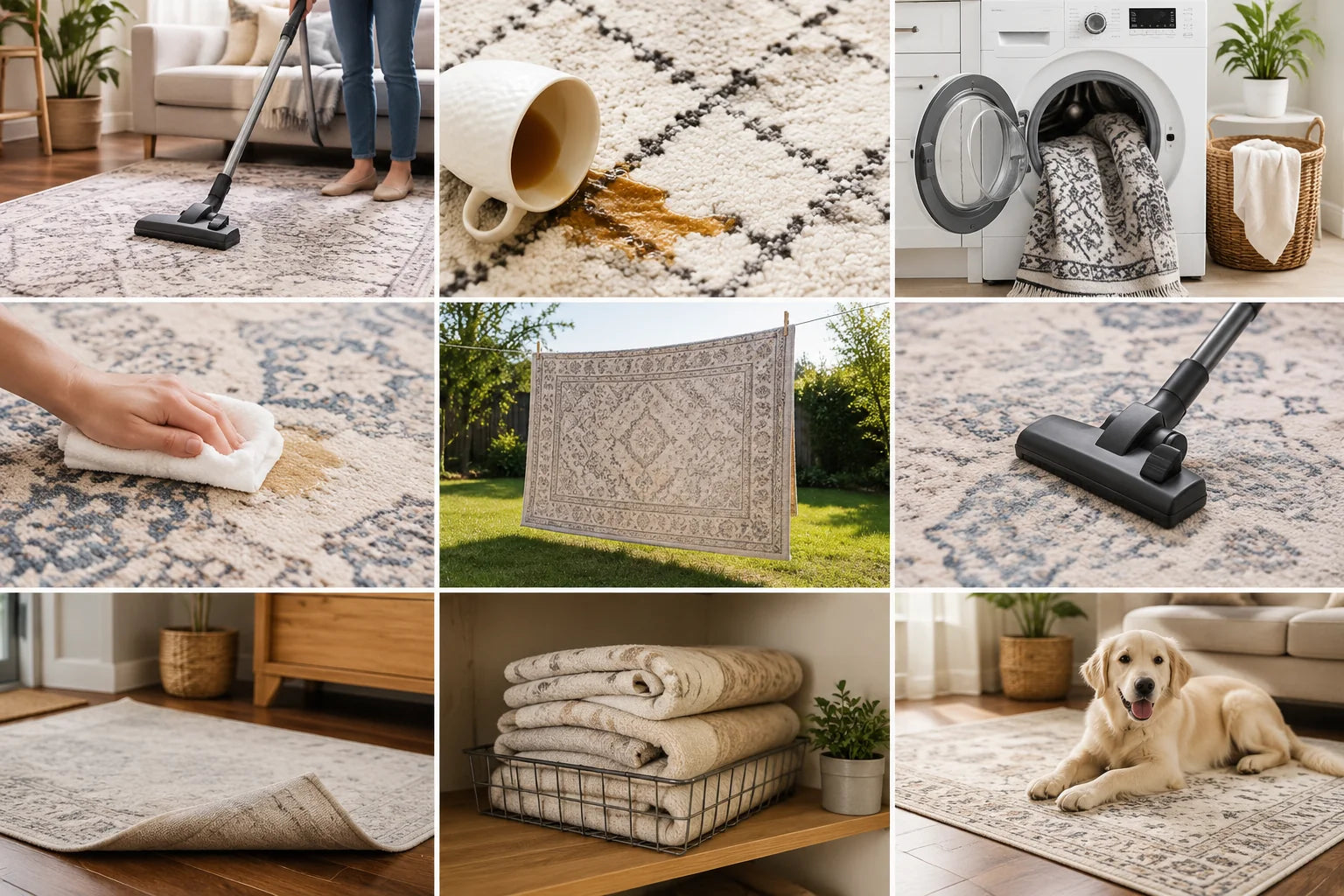
A durable rug still benefits from thoughtful placement and care. Using a quality rug pad helps reduce friction, improves cushioning, and supports the rug’s structure over time. It also helps prevent shifting, which is especially useful in busy family spaces and hallways.
Regular vacuuming is important, but keep the setting appropriate for the rug’s construction. Avoid overly aggressive beater bars if the pile or weave is delicate. Rotating the rug every so often can also help distribute wear more evenly, especially in sunny rooms or spaces where one path gets most of the foot traffic.
When spills happen, blot quickly rather than rubbing. That simple move can make a significant difference in how well the rug recovers. For long-term care, a wool rug rewards consistency. A little maintenance preserves a lot of beauty.
So, are wool rugs durable enough to be worth it?
For many homes, absolutely. Wool rugs are durable in the way that matters most to design-conscious shoppers: they hold their shape, wear with grace, and continue to add warmth and presence after the novelty has worn off. They are not the lowest-maintenance option on the market, and they are not always the right fit for every room. But when you want a rug that feels artfully crafted, comfortably lived-in, and strong enough for everyday routines, wool makes a compelling case.
The smartest approach is to match the rug to the room. Choose lower piles for hardworking zones, embrace pattern where life gets messy, and treat wool as a lasting design layer rather than a temporary fix. When selected with intention, a wool rug does more than survive daily life - it helps a room keep its character through it.

Share:
How to Match Rugs Furniture the Right Way
Best Kid Friendly Rugs for Stylish Homes