

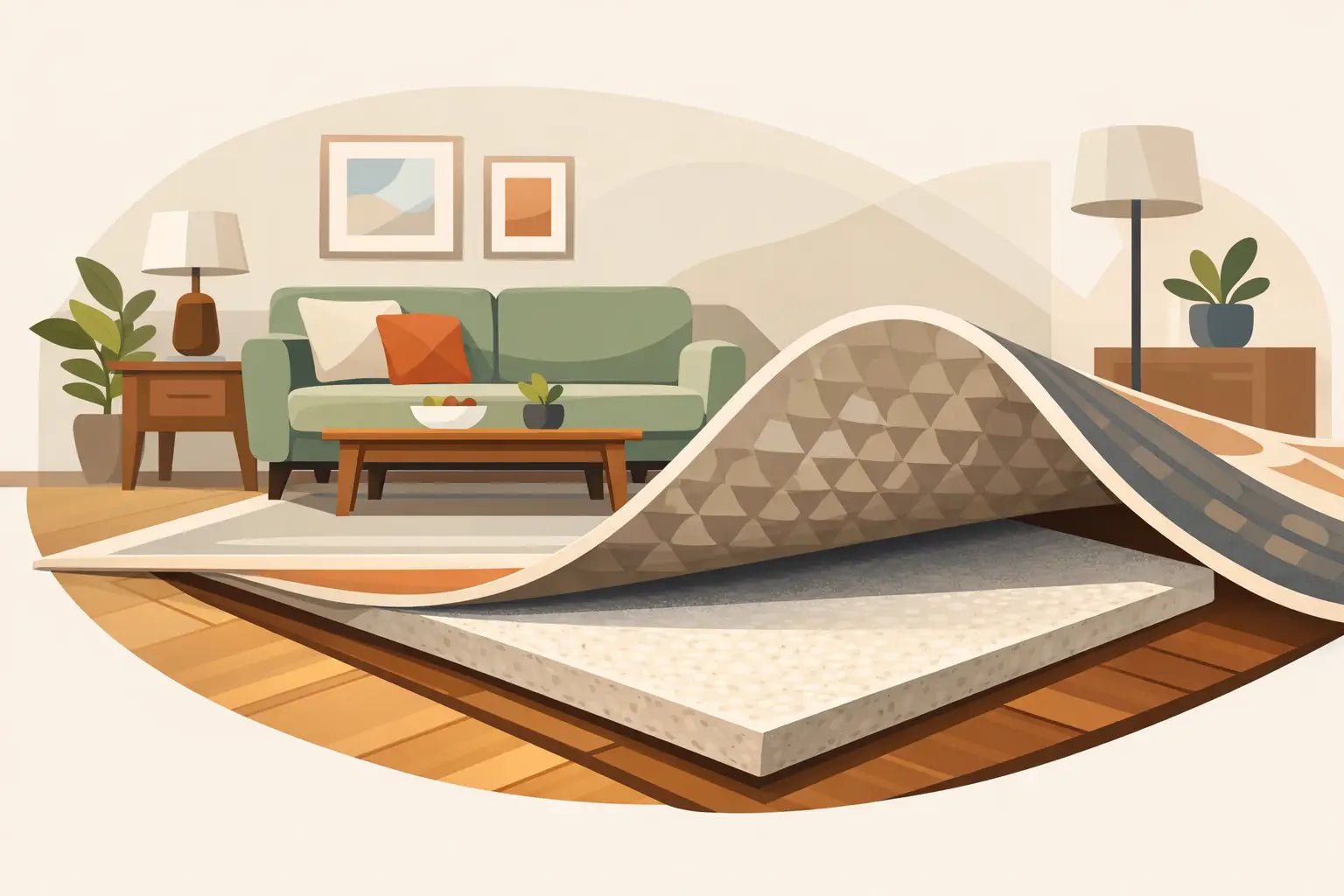
The moment an area rug is placed, it starts doing more than adding color and character. It softens the room, defines a seating area, and brings furniture into a more intentional composition. But if it shifts underfoot, curls at the corners, or feels surprisingly thin, the effect can fall flat. So, do rug pads matter? For most homes, absolutely. The right rug pad is the quiet foundation that helps a beautiful rug feel safer, softer, and more polished every day.
Do Rug Pads Matter for Area Rugs?
A rug pad is not merely an add-on. It is a practical layer between your rug and the floor, designed to provide grip, cushioning, and protection. Even a beautifully crafted rug can slide, bunch, or wear unevenly when it rests directly on hardwood, tile, laminate, or other smooth surfaces.
Think of the pad as the support system behind the design. Your rug provides the visual story - a serene neutral under a linen sofa, a vintage-inspired pattern in an entryway, or a richly textured runner down the hall. The pad helps that story stay in place.
Not every room needs the same level of cushioning or grip, which is why choosing a pad should be tied to your floor type, rug construction, and daily routine. A busy family room calls for something different than a low-traffic guest room, while a slim flatweave runner has different needs than a plush wool rug.
The Everyday Benefits of a Rug Pad
A steadier, safer surface
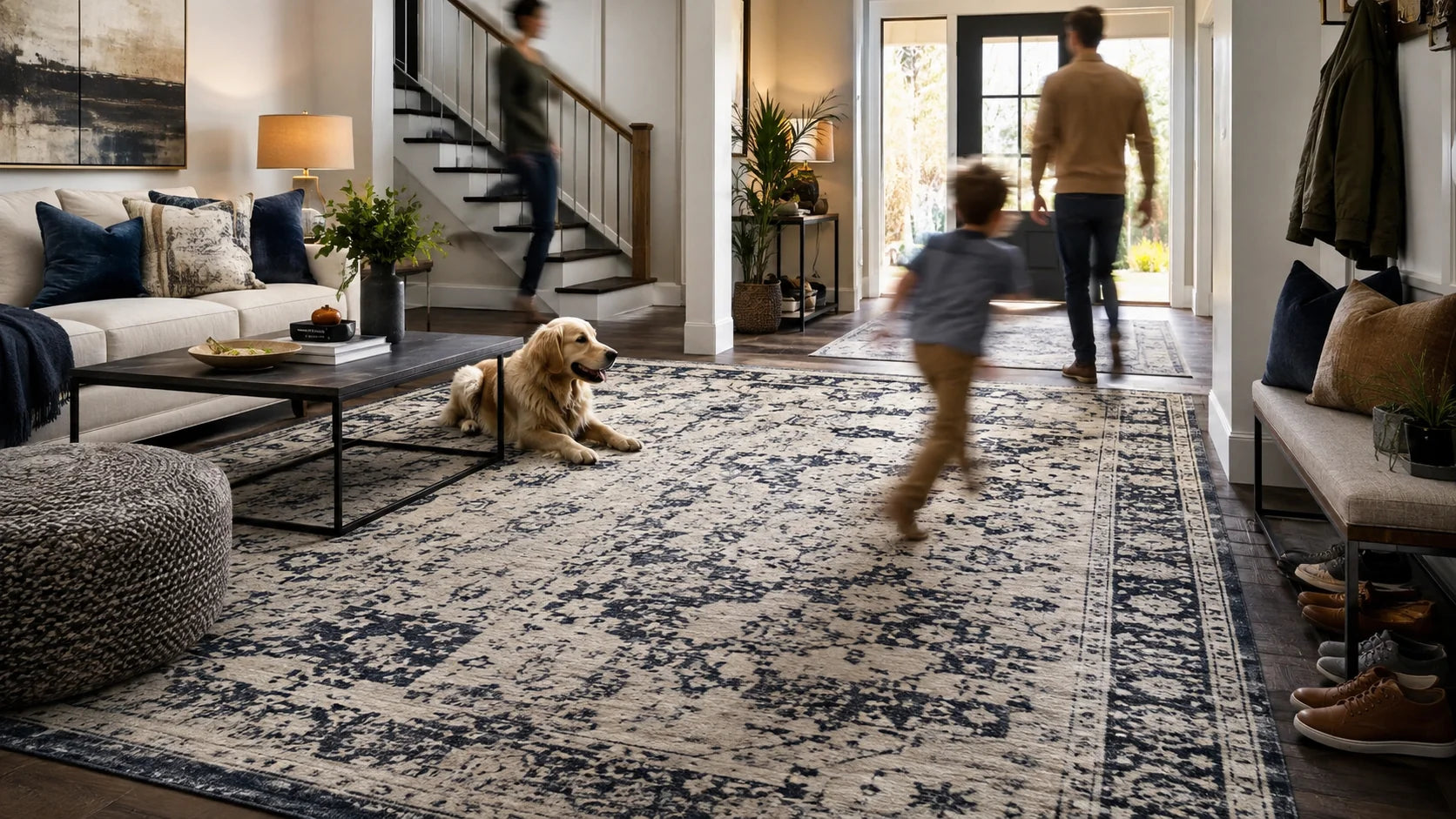
The most immediate benefit is stability. Rugs that slide or creep across the floor can become a tripping hazard, especially in hallways, kitchens, entryways, and homes with children, pets, or older family members. A quality non-slip pad creates traction beneath the rug, helping it stay centered even when the room is in constant motion.
This matters most with smaller rugs and runners. Their lighter weight makes them more likely to move when a door swings nearby, someone rushes through with groceries, or a playful pet takes a fast turn around the corner.
Protection for floors and rugs
Furniture, foot traffic, dust, and slight movement all create friction. Over time, that friction can contribute to premature wear in a rug and leave a floor more vulnerable to scratches or abrasion. A pad helps reduce direct contact between the two surfaces.
On hard flooring, it can also create a buffer beneath furniture legs resting on the rug. This is especially helpful in dining rooms and living rooms, where chairs are pulled out regularly and heavy furniture remains in place for years. The goal is not to make a rug indestructible. It is to give both the rug and the floor a more considerate layer of defense.
More comfort underfoot
A thin rug can look lovely but still feel spare underfoot. Adding a felted or cushioned pad introduces a subtle softness that makes a room feel more inviting. In bedrooms, nurseries, reading corners, and living spaces, that extra comfort can change how the room is experienced.
The difference is particularly noticeable with flatweaves, indoor-outdoor styles, low-pile rugs, and vintage-inspired designs. A pad can make these lower-profile options feel warmer without changing the clean, tailored look that makes them so versatile.
A quieter room
Hard surfaces reflect sound. Rugs help absorb some of it, and a pad adds another sound-softening layer below. The result may be modest in a small room, but it is often welcome in open-plan living spaces, upstairs bedrooms, apartments, and homes with active hallways.
If a room feels a little echoing or abrupt, a rug pad can contribute to a calmer, more settled atmosphere. It is one of those details guests may not identify, but they can feel.
Choosing the Right Rug Pad for Your Floor
The best rug pad depends on what sits above it and what sits beneath it. Material compatibility should always come before thickness alone.
For hardwood, laminate, and vinyl floors
Look for a pad labeled safe for your specific flooring type. A felt-and-rubber combination is often a strong choice because it pairs cushioning with grip. The felt adds comfort, while the rubber side helps keep the rug from moving.
Avoid assuming that any non-slip backing is universally safe. Certain materials may react with some floor finishes, particularly on newer finishes, luxury vinyl, or specialty surfaces. Check the flooring manufacturer’s care guidance and the rug pad label before installation. A little diligence protects the finish you chose so carefully.
For tile, stone, and concrete
Smooth, hard surfaces generally benefit from a non-slip pad with a stable grip. If the rug is thin, adding felt can provide welcome cushioning and make the space feel less stark. This is especially appealing in kitchens, sunrooms, and entryways, where durable flooring is practical but can feel firm underfoot.
For carpeted rooms
A rug can still shift on top of wall-to-wall carpet, though the solution is different. Choose a pad made for carpet-to-rug use, which is designed to help prevent the area rug from rippling or creeping without damaging the carpet fibers. A thin option is often enough, especially beneath a larger living room rug anchored by furniture.
For outdoor rugs
Outdoor rugs usually need a pad that allows airflow and resists moisture. A solid, dense pad may hold water beneath it, which is not ideal for a covered patio or porch. Choose an option intended for outdoor use and allow the area to dry fully after rain or cleaning.
How Thick Should a Rug Pad Be?
Thickness is where personal preference and room function meet. A thinner pad, often around one-eighth inch, is a sensible choice for hallways, entryways, dining rooms, and any space where door clearance matters. It provides grip without creating a noticeable rise at the rug’s edge.
A thicker pad can feel luxurious in a bedroom or lounge area, particularly under a low-pile rug. However, more cushion is not always better. An overly thick pad can make furniture feel less stable, cause doors to catch, or create an edge that is easier to trip over. For rooms with heavy furniture, choose a dense pad that offers support rather than a soft, spongy feel.
Pile height also matters. A plush shag or high-pile wool rug already provides considerable softness, so a thinner pad may be all it needs. A flatweave, handwoven rug, or low-profile runner often benefits more from extra cushioning.
The Right Size Makes a Difference
A rug pad should be slightly smaller than the rug itself, usually about one inch shorter on every side. This keeps the pad hidden and allows the rug edge to taper naturally toward the floor. If the pad reaches beyond the rug, it can be visible and may collect dust at the perimeter.
For unusual dimensions, round rugs, or narrow runners, trimming a pad to fit is often appropriate. Measure the rug after it has relaxed and laid flat, rather than relying only on the stated dimensions. Handmade and woven rugs can vary slightly, and a tailored fit gives the finished space a more refined appearance.
When You May Not Need One
There are a few situations where a rug pad may be unnecessary. A very small rug with an integrated, high-quality non-slip backing may stay put on its own. A rug placed beneath a large, fully anchored bed may not need much additional grip, although a thin pad can still add floor protection and softness.
Still, skipping the pad is usually a trade-off rather than a true savings. You may save a little upfront, but you could sacrifice comfort, stability, and longer-term wear. In a high-traffic area, a rug pad is often one of the simplest ways to help your investment perform beautifully.
Keep the Pad Working Beautifully
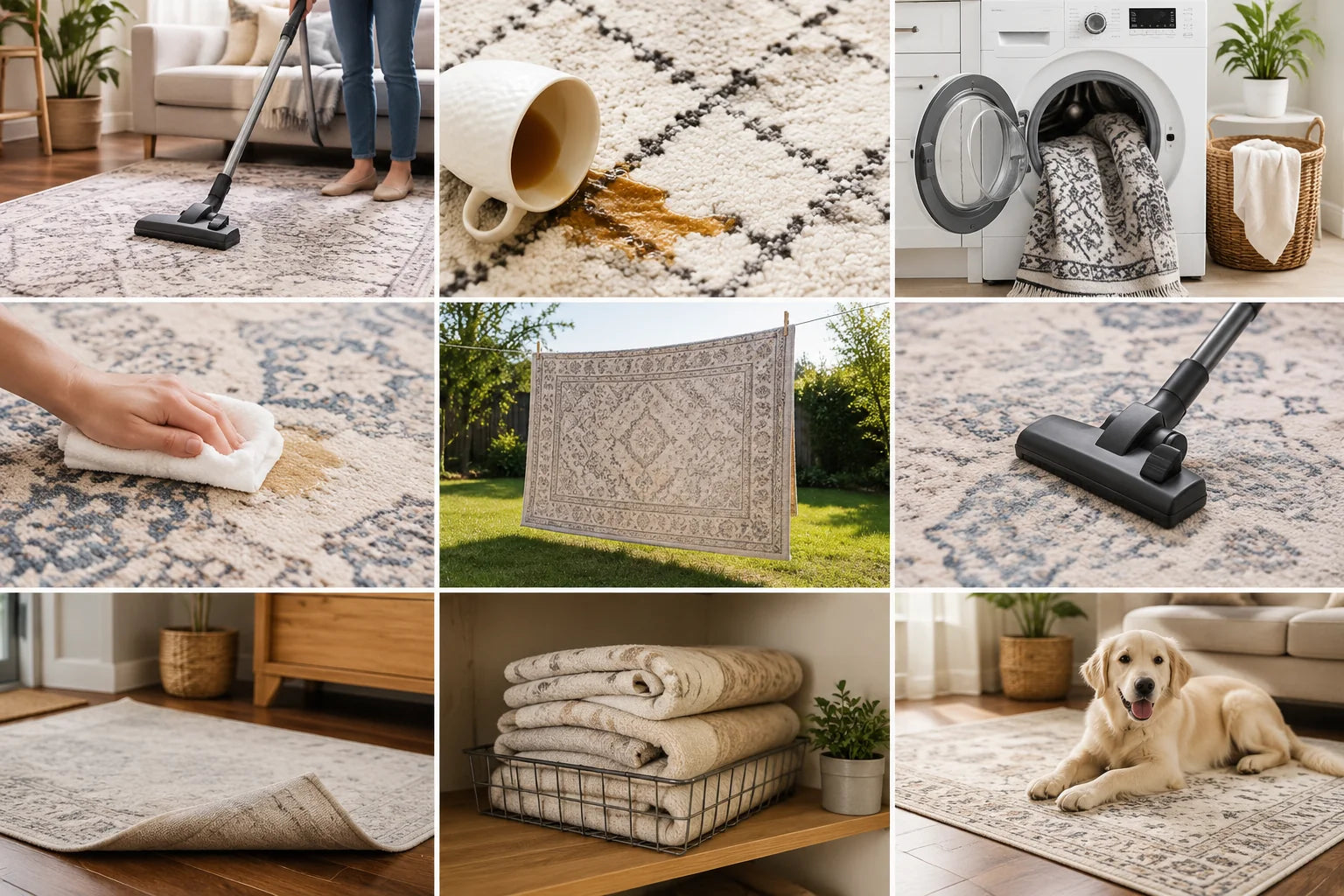
Rug pads need occasional attention, especially in busy rooms. When you rotate or clean your rug, lift it and check for accumulated dust, debris, or signs of moisture. Vacuuming the floor beneath the pad and allowing everything to dry thoroughly helps maintain a fresh, healthy surface.
If your rug begins to shift after years of use, the pad may have compressed or lost some of its grip. Replacing it can restore the rug’s feel and help the room look as composed as it did on day one.
At Rug Resources, the most memorable spaces are built with layers that balance beauty and real-life ease. Choose a rug that speaks to your style, then give it the foundation it deserves. Underfoot comfort, a steadier step, and a more gracefully finished room are small details that make home feel especially well considered.

Share:
In Stock Rugs Online for a Beautiful Home
Loloi Area Rug Review for Stylish Lived-In Rooms