

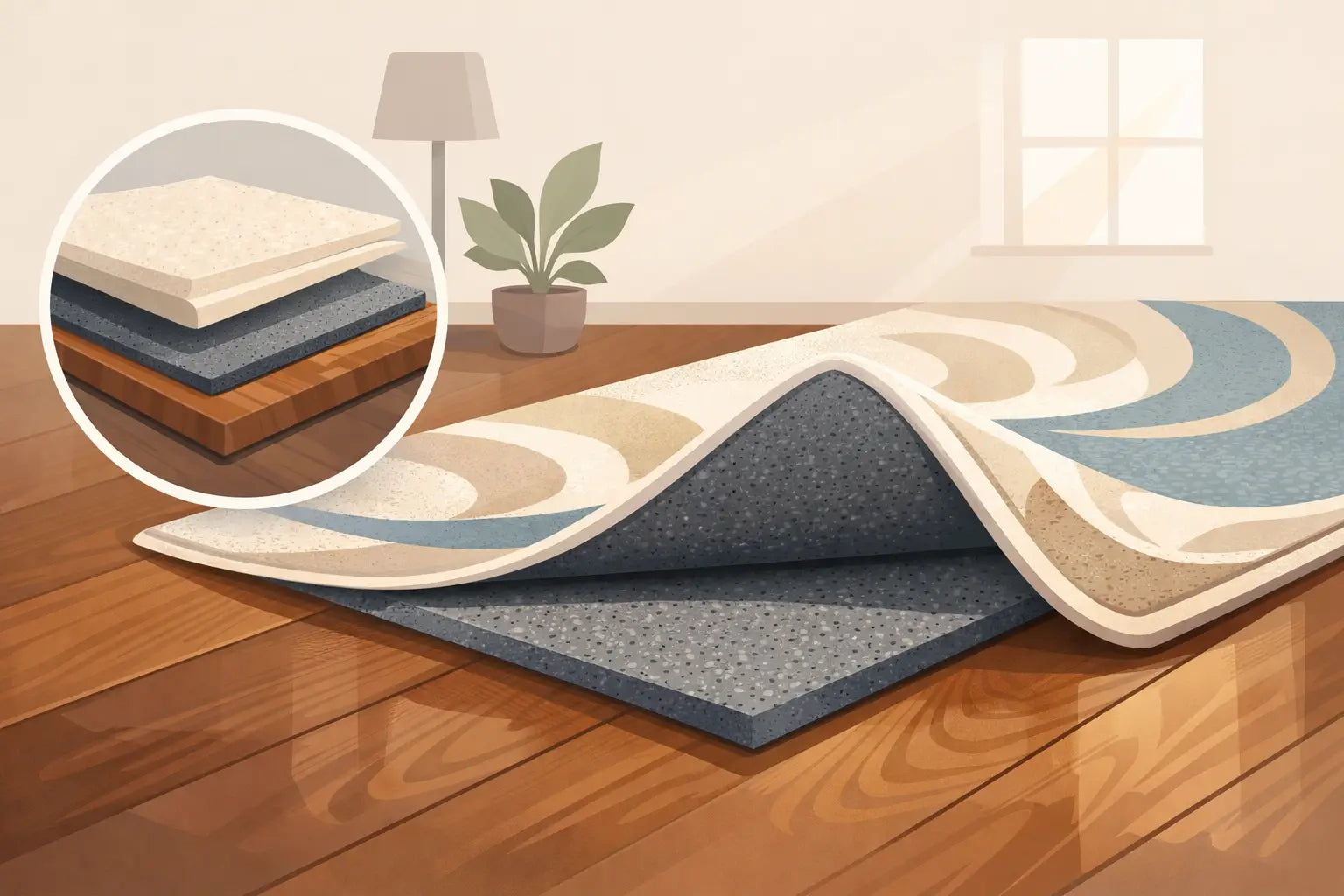
A beautiful hardwood floor can make a room feel instantly polished, but it also shows wear faster than many homeowners expect. If you have ever lifted a rug and found faint scratches, dull spots, or a slightly uneven finish underneath, the question becomes very real: do rug pads protect hardwood? In most homes, yes - but only when you choose the right kind.
A rug pad is not just an extra layer hidden beneath the rug. It acts as a buffer between the rug and the floor, helping reduce friction, absorb impact, and keep the rug from shifting underfoot. That matters in everyday spaces like living rooms, hallways, bedrooms, and dining areas, where movement is constant and small bits of grit can quietly do damage over time.
Do rug pads protect hardwood in every case?
They protect hardwood in many cases, but not automatically. The benefit depends on the material of the pad, the type of rug on top, and the conditions in the room. A well-made pad designed for hardwood floors can help prevent scratches, scuffs, color transfer, and excess wear. A poor-quality pad, on the other hand, can trap moisture, discolor the finish, or even stick to the floor.
That is why the real answer is more nuanced than a simple yes or no. Rug pads are protective when they are floor-safe, properly sized, and suited to the room. They can become part of the problem when they are made with unsafe plastics, low-grade adhesives, or rubber compounds that react poorly with hardwood finishes.
How rug pads help preserve hardwood floors
The first layer of protection is friction control. Without a pad, a rug can slide slightly every time someone walks across it. That tiny motion may seem harmless, but over months and years it can create abrasion between the rug backing and the wood finish. Dust and grit caught underneath only make it worse. A rug pad reduces that movement and creates a gentler surface contact.
The second benefit is impact absorption. In high-traffic rooms, footfall presses the rug into the floor again and again. Furniture legs, dropped objects, and daily activity can all add pressure. A pad softens that contact, which helps limit wear on both the rug and the hardwood finish below.
There is also a comfort factor that becomes practical very quickly. A rug with the right pad feels more stable, more cushioned, and quieter underfoot. That can make a large living room rug feel more grounded and a hallway runner less likely to bunch or slide. In design terms, the rug looks more intentional. In everyday terms, the room simply works better.
The biggest risks to hardwood under a rug
Most floor damage under rugs comes from a few predictable issues. The first is scratching caused by movement and trapped debris. A rug that shifts, especially in a busy entry or hallway, can act almost like sandpaper when dust settles underneath.
The second is finish discoloration. Some rug pads are made with materials that are too harsh for hardwood, especially certain synthetic rubbers, PVC blends, or adhesives. These can leave a yellow cast, a cloudy patch, or a residue that is difficult to remove.
The third is moisture. This is especially important in rooms with humidity swings, near exterior doors, or in homes where spills are common. If moisture gets trapped between the rug pad and the floor, it can affect the wood finish and in some cases the wood itself. That does not mean you should avoid a rug pad. It means you should choose one that is breathable and appropriate for hardwood.
What kind of rug pad is best for hardwood?
For most hardwood floors, the safest choice is a rug pad specifically labeled as safe for hardwood and other hard surfaces. Felt and natural rubber combinations are often favored because they balance cushioning with grip. Felt adds softness and structure, while natural rubber helps keep the rug from shifting without the harsh chemical profile of lower-grade synthetics.
If your rug is large and anchored by furniture, you may want more cushioning than grip. In that case, a dense felt pad can work beautifully. It adds body, helps the rug lie smoothly, and offers a refined underfoot feel that makes the whole room feel more finished.
If your rug is in a hallway, kitchen, or active family space, grip becomes more important. A felt-and-rubber pad usually offers the right mix of comfort and stability. The goal is not to glue the rug to the floor. It is to minimize movement while keeping the materials gentle on the hardwood finish.
Avoid pads that do not clearly state they are safe for hardwood floors. If the material details are vague, that is usually a sign to keep looking.
Rug size, room use, and why they matter
Protection is not one-size-fits-all. A large area rug in a formal living room has very different needs from a runner in a busy hallway or a small accent rug beside the bed.
In living rooms and bedrooms, the rug pad often plays a supporting role. It helps preserve the floor, reduces wear, and gives the rug a more luxurious presence. Since these rugs are usually larger, a pad also helps them hold their shape and prevents corners from lifting.
In dining rooms, slippage is often less about walking and more about chair movement. Chairs sliding in and out can push and pull a rug repeatedly. A stable pad helps keep the rug aligned and reduces the friction that can mark the wood underneath.
In hallways and entry points, performance matters most. These are the places where rugs are exposed to heavy foot traffic, dirt, and repeated motion. A thin, secure pad designed for hard surfaces is often the best fit because it protects the floor while keeping the rug low-profile and less likely to become a tripping point.
Can a rug pad ever damage hardwood?
Yes, the wrong one can. This is the part many shoppers miss because rug pads seem simple at first glance. A cheap pad may flatten quickly, crumble over time, or react with the finish on your floor. That reaction might show up as staining, stickiness, or uneven sheen once the rug is moved.
Even a good pad can cause issues if it is used carelessly. If the floor is damp when the pad is placed, or if spills are ignored and moisture sits trapped underneath, the wood can suffer. Regular lifting and cleaning matter, especially in homes with kids, pets, or active entertaining.
A pad that is too large can also create problems. It should sit slightly inside the edges of the rug so the rug itself tapers cleanly to the floor. When the pad extends too far, it can create pressure at the edge, making the rug look awkward and feel unstable.
A few signs your rug pad is doing its job
You should not have to think about a good rug pad every day. It works quietly in the background. Your rug stays in place, the surface feels more comfortable, and the hardwood beneath stays free from obvious scuffs and dull trails.
If you lift the rug occasionally and the floor looks clean, even, and free from residue, that is a good sign. If the rug lies smoothly without bunching and feels more substantial underfoot, the pad is likely supporting both the style and function of the room.
If, however, you notice slipping, curling corners, odor, residue, or discoloration, it is worth replacing the pad sooner rather than later. Hardwood floors bring lasting beauty to a home, but they reward thoughtful care.
Do rug pads protect hardwood enough to be worth it?
For most homes, absolutely. A rug pad is a small addition that can make a meaningful difference in how a rug performs and how a hardwood floor ages. It protects against daily abrasion, improves grip, adds softness, and helps a rug feel more beautifully placed in the room rather than simply laid down.
The key is choosing a pad with the same care you would give the rug itself. Materials matter. Room use matters. Floor type matters. When those details align, the result is practical and elegant at once - a rug that feels better, stays put, and helps preserve the floor that frames your space.
When you are creating a room that feels warm, collected, and lived in, the best design choices are often the ones you never see. A quality rug pad falls squarely into that category, offering quiet protection beneath the surface and helping your hardwood floors keep their character for years to come.

Share:
How to Choose Washable Runner Rugs
Low Pile vs High Pile: Which Rug Fits Your Home?