

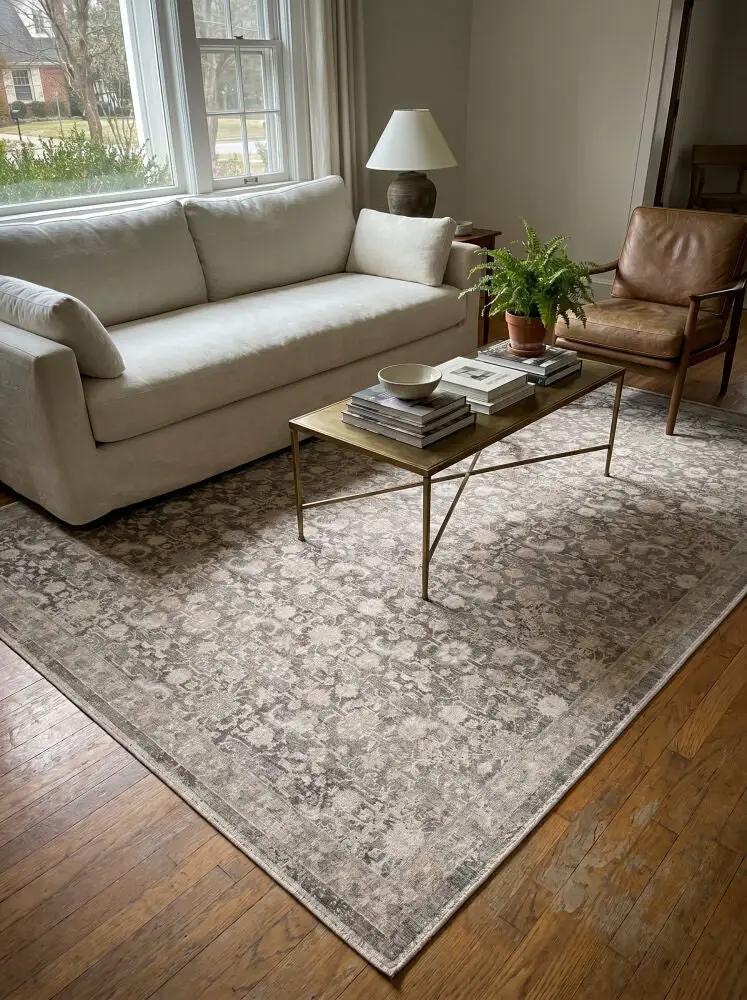
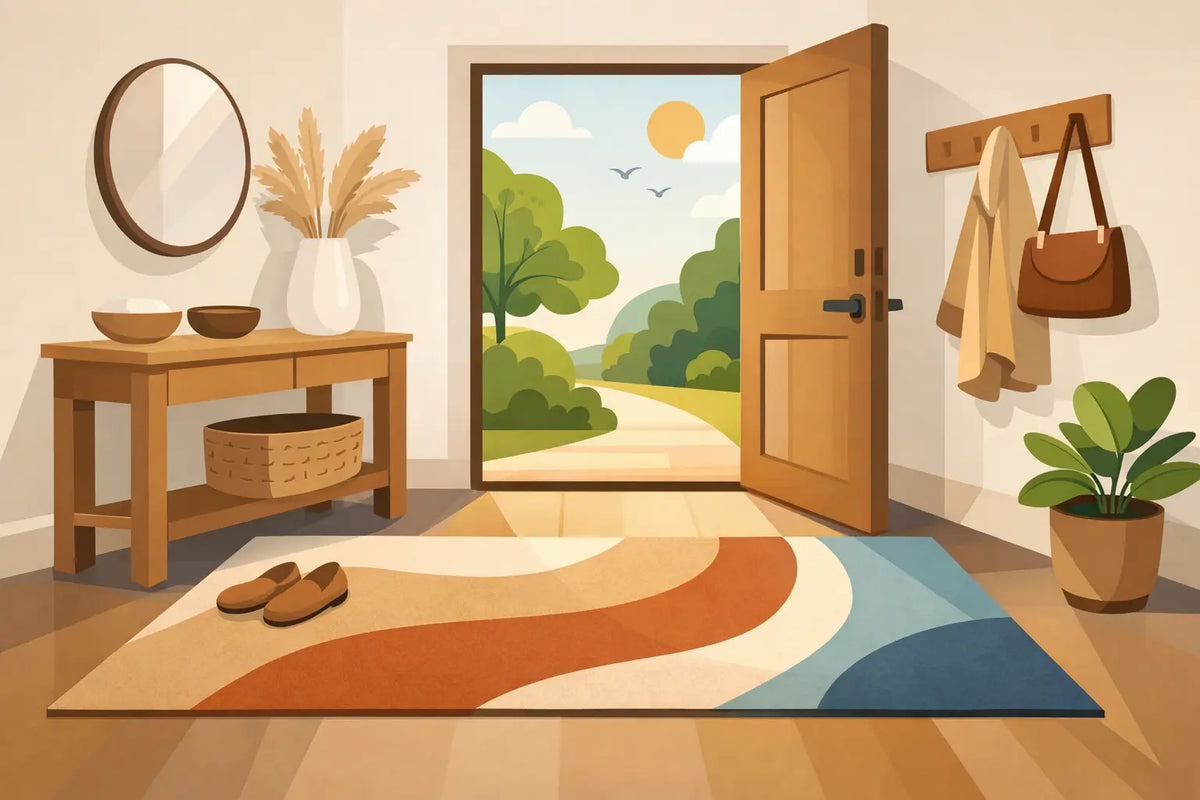
The first few feet inside your front door do more work than almost any other part of the home. They catch rain-speckled shoes, set down grocery bags, greet guests, and offer that immediate sense of, “Yes, this feels like us.” The best entryway rugs for homes bring beauty to that hardworking threshold without sacrificing practicality.
A thoughtfully chosen rug can soften a narrow foyer, establish a color story for the rooms beyond, or give a rental entry a more finished look. But entryways are not one-size-fits-all spaces. The right choice depends on how much room you have, what comes through the door, and whether you want your rug to make a quiet first impression or a memorable statement.
Start With the Shape and Scale of Your Entryway
An entryway rug should look intentional, not squeezed into place. Before choosing a pattern or palette, measure the open floor area and allow for door clearance. A front door should swing comfortably over the rug, so low-pile construction is often the wiser choice in a compact vestibule.
For a petite entry, a 2 x 3 rug is a classic foundation. It gives shoes a designated landing place while leaving a clean border of flooring around it. If you have a deeper foyer or a wider wall opposite the door, a 3 x 5 rug can create a more gracious sense of arrival. The goal is to make the rug feel connected to the architecture, not like a small accent floating at the center of the room.
Long, narrow entries are especially well suited to runners. A hallway runner visually draws the eye inward, making the home feel more open and cohesive from the moment the door closes behind you. Leave several inches of visible floor on each side when possible, and choose a length that doesn't crowd the doorway or bump into nearby furniture.
Round rugs have their own quiet charm in square foyers, beneath a round light fixture, or in spaces with curved staircases. Their softer silhouette can loosen up an entry full of straight lines. Just make sure the diameter is generous enough to read as a deliberate design choice, not an undersized doormat.
Entryway Rugs for Homes Need a Practical Foundation
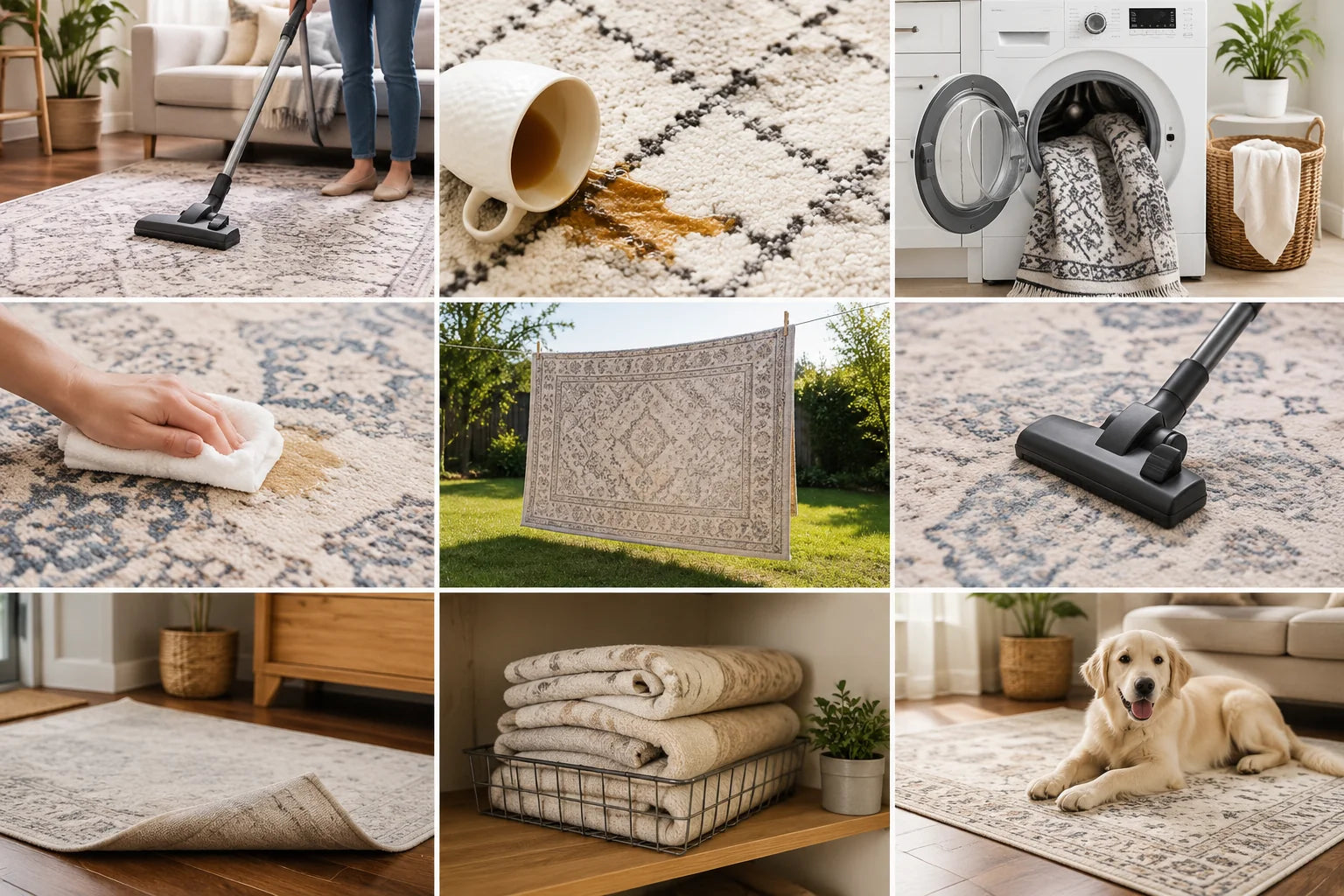
The entry is a transition zone, which means it sees grit, dampness, pet paws, stroller wheels, and the daily shuffle of a busy household. A beautiful rug is still the right rug only when its material and construction suit that rhythm.
Low-pile rugs are a natural fit for most front-door areas. Their shorter fibers are easier to vacuum, less likely to trap debris, and better suited to swinging doors. Flatweaves also offer a tailored, unfussy look that works beautifully in modern, traditional, and casually collected interiors.
For families who need an especially forgiving option, performance fibers such as polypropylene or polyester can be an excellent match. They often handle frequent use well and make everyday cleanup feel less like a chore. A softly heathered design or a rug with layered color can further disguise the little bits of life that inevitably arrive with the mail and the muddy sneakers.
Wool offers a different kind of appeal. It has natural resilience, lovely texture, and timeless elegance, making it a strong choice for a lower-mess entry or a covered foyer. It may require more thoughtful care than a synthetic performance rug, however, especially if your entrance is the main route for wet boots or outdoor play. In that setting, a durable indoor-outdoor style may be the more relaxed choice.
Natural fibers such as jute and sisal lend warmth and organic character, particularly in coastal, rustic, and transitional homes. Their tactile beauty is undeniable, but they are not always ideal for exposed front doors where moisture is common. Consider them for a protected interior entry, or layer one beneath a smaller, easy-care accent rug if you love the look but need more flexibility.
Do Not Skip the Rug Pad
A rug pad is a small addition with an outsized impact in an entryway. It helps prevent shifting, adds cushioning, and protects both the rug and the floor beneath it. Select a thin, non-slip pad so the rug stays secure without creating a raised edge that could catch a toe or interfere with the door.
If your rug already has a non-slip backing, a pad may still help with extra cushioning and floor protection. It depends on the surface beneath it, the amount of traffic, and how firmly the rug stays in place during daily use.
Choose Color and Pattern With Real Life in Mind
An entryway is a wonderful place to introduce personality. Because it is usually a smaller footprint than a living room or bedroom, it can handle a bolder pattern, a more expressive vintage-inspired motif, or a saturated accent color that might feel overwhelming elsewhere.
Still, the prettiest choice is not always the easiest to live with. Very pale solid rugs can feel serene and airy, but they tend to show soil quickly near an exterior door. Deep charcoal, navy, warm terracotta, olive, and multi-tonal neutrals are more forgiving while still feeling polished. A patterned rug with a gentle mix of color can hide everyday dust far better than a single flat shade.
Use the entryway rug as a visual handshake with the rest of your home. If your adjoining living room features warm woods and cream upholstery, a rug with sand, tobacco, faded blue, or muted rust can bridge the spaces beautifully. If your home leans contemporary, a graphic border, abstract geometry, or high-contrast neutral design can establish a cleaner, more architectural mood.
You do not need to match every room exactly. In fact, matching too closely can make a home feel overly coordinated. Look instead for a common thread: a shared undertone, a recurring accent color, or a similar level of formality. This creates tranquil harmony while letting each room retain its own character.
Make the Entry Feel Finished, Not Overfilled
A rug is often the anchor, but it works best alongside a few purposeful elements. In a narrow entry, a wall-mounted hook rail, slim mirror, or small basket may be all you need. In a larger foyer, a console table can add presence, while a lamp or sculptural vase makes the setting feel warmly inhabited.
Be mindful of visual weight. A richly patterned rug can carry the space on its own, leaving room for simpler furnishings. Conversely, if your entry furniture has ornate details or a dramatic light fixture, a solid or subtly textured rug may provide the calm balance the room needs.
Layering can also work, especially for a covered entry or interior mudroom. Place a durable, larger neutral foundation under a smaller decorative rug for depth and dimension. This approach adds a collected, design-led look, but it works best in spaces where the layers lie flat and will not create a tripping hazard.
Shop Online With a Clear Plan
Buying a rug online becomes much easier when you begin with dimensions and lifestyle needs rather than color alone. Keep your measurements handy, then compare the rug’s pile height, fiber content, and care guidance with your household's needs. Product photos help you understand pattern scale, but treat a room image as inspiration, not a substitute for checking the stated size.
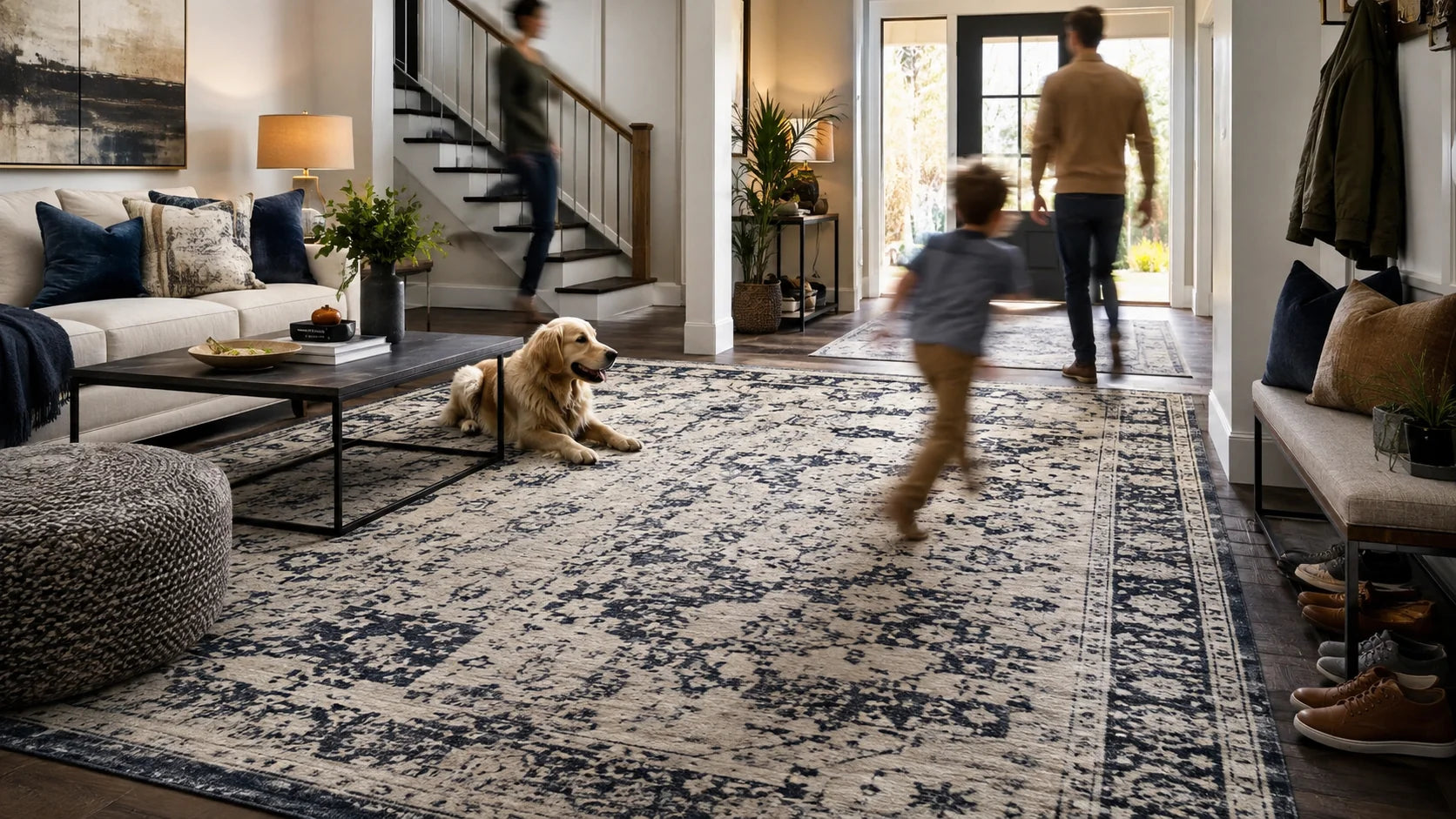
It also helps to think about the entryway at its messiest. Do children come home from practice through this door? Does the family dog race in after a rainy walk? Is this a formal front entry that sees occasional guests, or the true everyday command center? Answering honestly will point you toward the right balance of artful detail and easy maintenance.
At Rug Resources, a curated assortment of runners, area rugs, and rug pads makes it easier to shop by style while still considering the practical details that matter. Visible in-stock information, fast fulfillment, and a 30-day return policy can offer extra reassurance when you are selecting a piece for your home.
Your entryway does not need to be large to feel memorable. Choose a rug that welcomes daily life with grace, holds up through busy moments, and makes coming home feel a little more beautiful every time you step inside.

Share:
How to Shop Rugs by Room With Confidence
How to Shop Rugs by Room With Confidence