

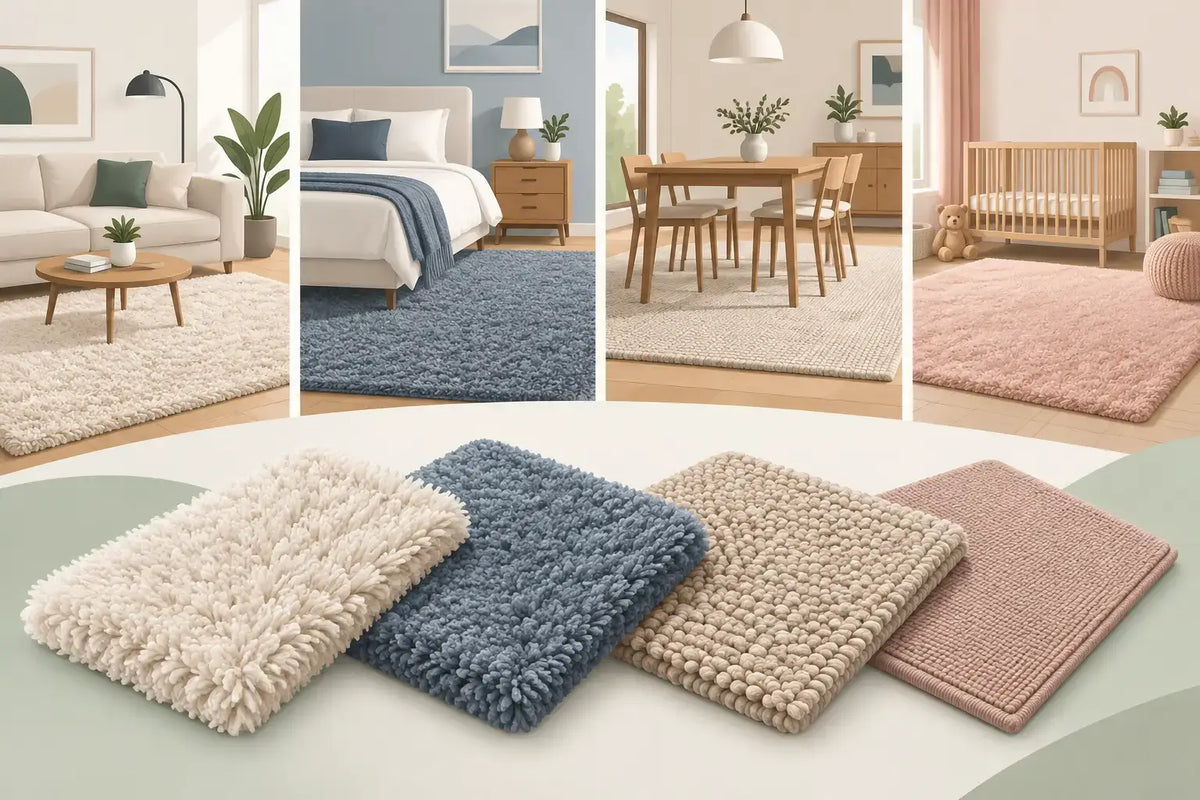
A rug can make a living room feel grounded, turn a bedroom into a softer retreat, or give a hallway its finished character. Yet the detail that often determines whether a rug truly works day to day is not just its color or pattern - it is its pile. Knowing how to select rug pile helps you choose a piece that feels right underfoot, suits the room’s rhythm, and stays beautiful through the life happening around it.
Pile refers to the surface fibers of a rug and how high, dense, or textured they are. A plush, high-pile rug creates warmth and comfort. A low-pile rug offers a flatter, more tailored finish that is often easier to maintain. Neither is inherently better. The right choice depends on where the rug will live, who will use it, and the atmosphere you want to create.
Start With the Room’s Real-Life Rhythm
Before falling for a texture, consider what the space asks of its furnishings. A serene primary bedroom and a busy entryway may both deserve beautiful rugs, but they require very different performance.
High-traffic spaces such as hallways, entryways, kitchens, and family rooms generally benefit from a low to medium pile. Shorter fibers are less likely to trap dirt, crumbs, and pet hair, and they make vacuuming simpler. Their more compact profile also gives doors and furniture more clearance, which matters in narrow passageways and hardworking rooms.
Bedrooms, formal living rooms, reading corners, and low-traffic sitting areas offer more freedom to choose a softer or higher pile. This is where a thicker shag, plush polyester blend, or richly textured wool rug can bring a welcome sense of comfort. Imagine stepping out of bed onto a rug with a cushiony hand - that sensory detail can make a room feel considered rather than merely furnished.
For a dining room, keep the chairs in mind. A low-pile or flatwoven rug allows chairs to slide in and out with less resistance and reduces the chance that chair legs will catch on loops or deep fibers. A flatter surface also makes the occasional spill less intimidating.
Low, Medium, or High: What Each Pile Feels Like
Pile height is usually measured from the rug backing to the top of its fibers. While exact measurements vary by construction and material, the practical differences are easy to recognize.
Low-pile rugs create a polished, practical foundation
Low-pile rugs typically have fibers under about 1/4 inch high. Flatweaves, many traditional-patterned rugs, and performance styles often fall into this category. They bring visual detail without much bulk, making them especially useful under dining tables, in hallways, and in spaces with doors that swing over the rug.
Their clean profile works beautifully in homes that lean classic, modern, or tailored. A low-pile rug can still feel inviting, particularly when it has a soft wool blend or a gently distressed pattern, but it will not deliver the sink-in feeling of a deeper construction. The trade-off is easy upkeep and strong everyday versatility.
Medium-pile rugs offer a comfortable middle ground
A medium pile, often around 1/4 to 1/2 inch, is a favorite for living rooms and bedrooms because it balances softness with function. It has enough dimension to feel warm and tactile, yet it is generally manageable for routine vacuuming and furniture placement.
This is a thoughtful choice for a main living space where family movie nights, guests, pets, and everyday lounging all coexist. A medium-pile rug can soften the architecture of a room while still holding its own against regular use. If you love a relaxed, layered home but do not want the maintenance demands of a shag, this category is often the sweet spot.
High-pile rugs bring softness and visual warmth
High-pile rugs generally measure over 1/2 inch, with shags reaching well beyond that. Their deeper fibers add texture, softness, and an inviting sense of ease. They are particularly lovely beside a bed, in a nursery, or beneath a coffee table in a space designed for lingering.
The consideration is care. Longer fibers can hold onto dust, pet hair, and small debris, and heavy furniture may leave impressions over time. They are not usually the first choice for a busy entry or a dining area. In the right room, though, a high-pile rug can give a simple interior a more layered, luxurious point of view.
How to Select Rug Pile by Household Needs
A beautiful home should support the people in it. If children, pets, frequent visitors, or daily entertaining are part of your household, choose pile with that reality in mind rather than treating it as an afterthought.
For homes with pets, low and medium piles are often easier to live with. Look for a construction that feels dense rather than loosely fluffy, since tightly packed fibers tend to resist snagging and are simpler to vacuum. Avoid delicate looped styles if your pet’s claws are prone to catching. Pattern can also be your ally: an artfully mottled, vintage-inspired, or multitone design can disguise the small signs of a well-loved room between cleanings.
For young families, a low-pile performance rug or washable-friendly construction can offer welcome peace of mind. These rugs are designed for the everyday moments that come with snacks, craft projects, muddy shoes, and spontaneous play. You do not have to sacrifice design for practicality. A refined pattern or tranquil neutral palette can still bring a room together while offering a more forgiving surface.
If comfort is the priority, consider a medium or high pile in low-traffic spaces, then add a quality rug pad. A pad gives a thinner rug more cushion, helps reduce slipping, and can make the overall feel more substantial. It is a particularly smart solution when you love the tailored look of a low-pile rug but still want a softer step.
Pile Height Is Only One Part of the Story
A taller pile does not automatically mean a rug is softer, more durable, or higher quality. Fiber content, density, construction, and finish all shape how the rug performs.
Wool is naturally resilient, soft, and well suited to many pile heights. It can feel plush while recovering nicely from foot traffic, although shedding is normal in new wool rugs and care needs vary by weave. Synthetic fibers such as polypropylene and polyester are popular for their softness, color clarity, and approachable maintenance. They can be an excellent fit for active homes, especially in rugs designed with stain resistance in mind.
Density matters just as much as height. Run your hand across the surface or review close-up product imagery when shopping online. A dense rug has fibers packed closely together, which often helps it feel more supportive and hold its shape. A high-pile rug with sparse fibers may look dramatic, but it can flatten more quickly than a lower, denser construction.
Construction also affects texture. Cut-pile rugs have sheared fiber ends and usually feel soft underfoot. Looped rugs offer texture and durability, but can be more vulnerable to pulls in pet-friendly households. Hand-knotted and hand-tufted rugs may share similar pile heights while offering distinctly different character, weight, and longevity.
Match the Pile to Your Design Vision
Pile has a visual language of its own. Low-pile rugs often let pattern take center stage, making them ideal for traditional medallions, graphic geometrics, and subtle border designs. Their flatter finish can sharpen a room’s lines and complement streamlined furniture.
Medium-pile styles offer a versatile, welcoming look that works across transitional, contemporary, and global-inspired spaces. Their texture adds dimension without overpowering other materials in the room, from warm wood finishes to sculptural upholstery.
High-pile rugs are more about feeling and mood. They can soften a minimalist bedroom, bring a touch of bohemian ease to a sunroom, or create gentle contrast beneath sleek leather seating. Because they have more visual volume, they are often most effective when the rest of the room has room to breathe.
Color can influence the decision, too. Pale high-pile rugs feel airy and cloudlike but may show everyday marks more readily. A deeper tone, heathered yarn, or layered pattern can make a textured rug feel more forgiving without losing its sense of warmth.
A Quick Check Before You Choose
When comparing rugs online, look beyond the word “plush.” Review the listed pile height, material, construction, and recommended room use together. Think about door clearance, whether dining chairs need to move across the surface, and how often you are willing to vacuum or spot-clean.
Also consider scale. A deeply piled rug can make a large room feel cozier, while a lower-pile rug may help a smaller room feel open and composed. If a rug will sit under a sofa or bed, remember that only the exposed area needs to deliver that tactile experience. This can help you choose a practical pile without compromising the inviting finish you want.
The most memorable rooms pair beauty with ease. Choose a rug pile that welcomes bare feet, stands up to your routines, and gives your space the kind of character you will be glad to come home to.


Share:
Hardwood Rug Anchoring That Protects Your Floors