

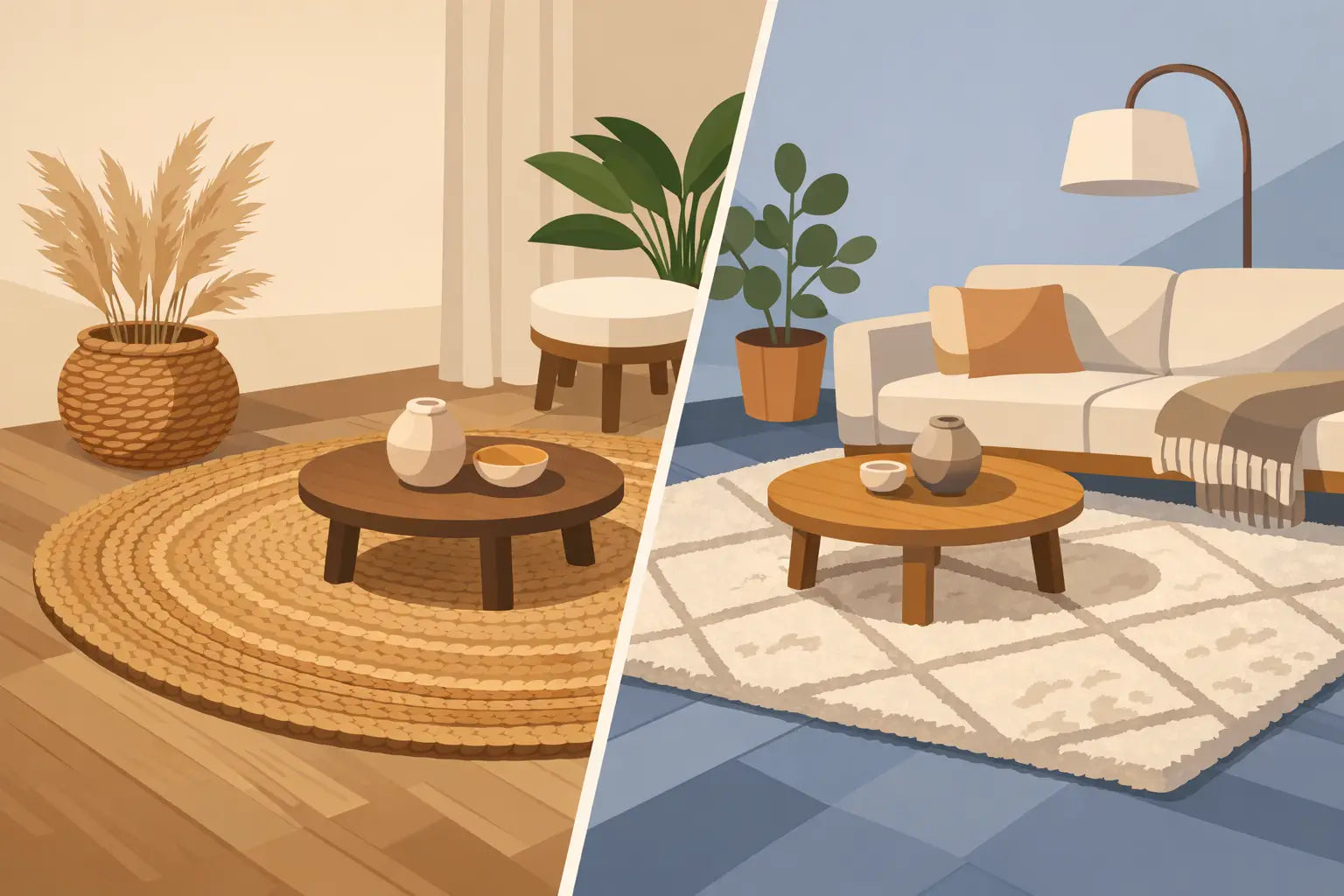
A rug can quietly set the whole mood of a room. It softens hard floors, brings color and texture into focus, and makes a space feel finished instead of almost there. When shoppers compare jute vs wool rugs, they are usually weighing two very different kinds of beauty - one is relaxed, earthy, and organic, while the other feels plush, refined, and enduring.
The right choice depends less on what is objectively better and more on how you live, what your room needs, and the atmosphere you want to create. A sun-washed breakfast nook, a layered coastal living room, and a busy family den will not all ask the same thing from a rug.
Jute vs wool rugs at a glance
Jute rugs are loved for their natural texture and easygoing character. They tend to bring warmth without visual heaviness, which is why they work so well in casual interiors, coastal rooms, organic modern spaces, and homes that lean into quiet, tactile materials. They often have a flatter feel underfoot and a distinctly woven look that adds dimension even when the color palette stays neutral.
Wool rugs offer a different kind of presence. They usually feel softer, denser, and more insulated, with a richness that can make a room feel instantly more polished. Wool also adapts beautifully across styles. It can support timeless traditional patterns, understated solid designs, tailored borders, or contemporary abstract motifs without losing its sense of quality.
If your first priority is natural texture and relaxed style, jute may feel like the clear winner. If comfort, resilience, and long-term versatility matter more, wool often pulls ahead.
How jute and wool feel in everyday rooms
The most immediate difference between these materials is underfoot comfort. Jute rugs are typically firm and textured. Many people love that handcrafted, organic feel, especially in rooms where they want a grounded, airy look. But if you are furnishing a bedroom where bare feet hit the floor first thing in the morning, or a living room where everyone sprawls out for movie night, jute can feel a little rough compared with softer fibers.
Wool rugs are generally more forgiving and cushioned. Even lower-pile wool designs tend to have a warmer, gentler hand. In spaces where comfort is part of the experience - primary bedrooms, family rooms, reading corners, nurseries - wool often creates a more inviting finish.
That said, comfort is not only about fiber. Rug pads can make a meaningful difference with either material. A good pad helps with softness, stability, and daily wear, especially on hard floors.
The style question: organic texture or polished softness?
Design-wise, jute rugs are exceptional at creating a collected, effortless look. Their appeal comes from variation in weave, tone, and texture rather than intricate pattern. They pair beautifully with light woods, linen upholstery, boucle accents, black metal finishes, and rooms built around natural light. If your goal is tranquil harmony with a little rustic character, jute often feels exactly right.
Wool rugs are more flexible if you want decoration beyond texture alone. Because wool takes dye well and can be crafted into many pile heights and constructions, it appears in a much wider range of patterns and palettes. That makes it easier to use wool when a rug needs to do more visual work - adding contrast, anchoring furniture, introducing traditional elegance, or tying together layered colors in a room.
Neither material is more stylish by default. Jute tends to excel when you want subtle texture to support the room. Wool tends to shine when you want both comfort and stronger visual expression.
Durability in the real world
Durability is where the jute vs wool rugs decision gets more nuanced. Jute is sturdy in a structural sense, but it is not always the best match for demanding everyday wear. Over time, heavy traffic can break down natural plant fibers, especially in entryways, hallways, and active family spaces. Jute can also shed loose fibers and may develop wear patterns more quickly in spots where chairs scrape or feet repeatedly land.
Wool has a stronger track record for long-term performance. Its fibers are naturally resilient, so they tend to spring back better from foot traffic and furniture weight. In many homes, a quality wool rug keeps its appearance longer, especially in living rooms and bedrooms where people want beauty that lasts beyond one season of decorating.
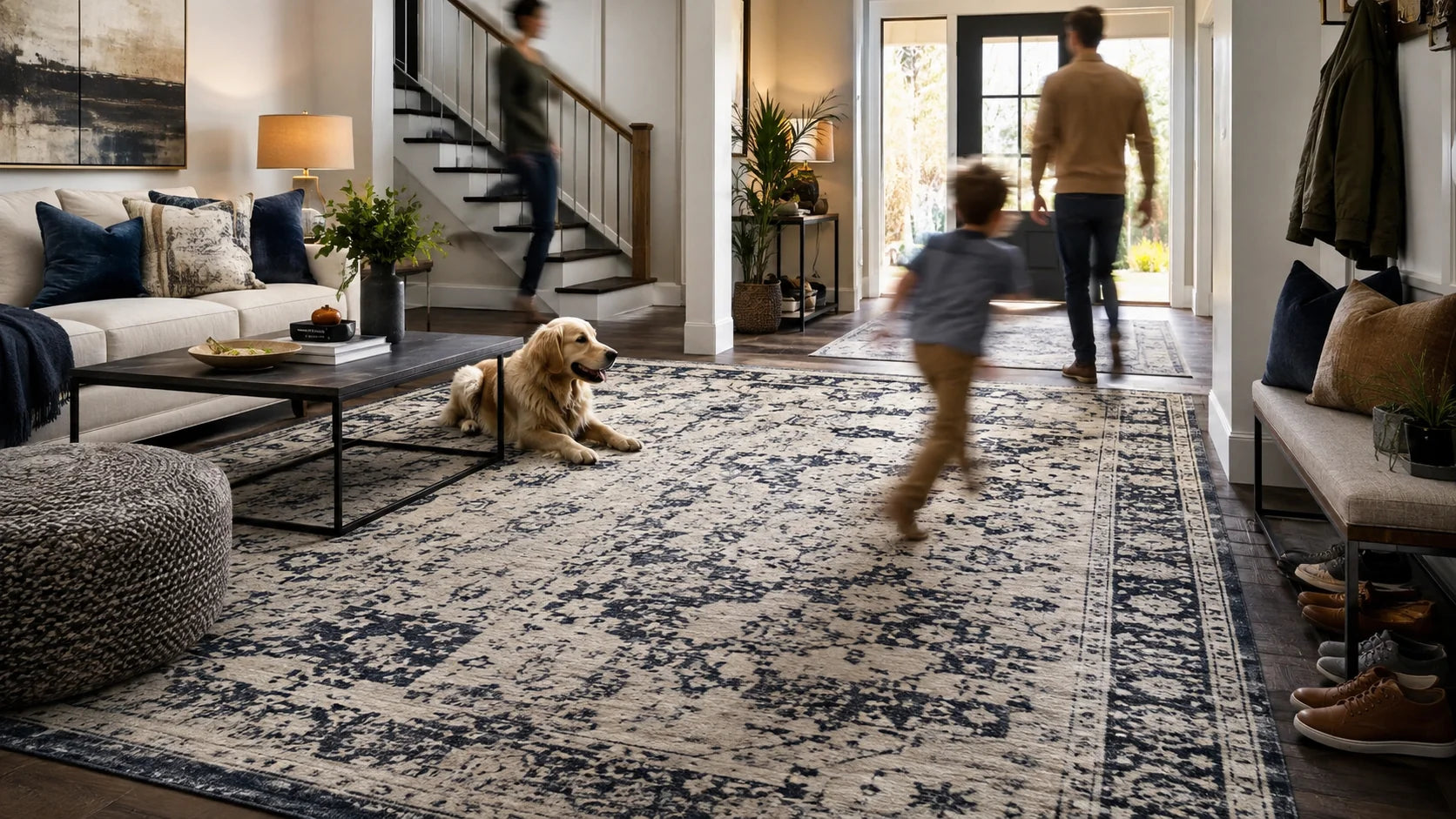
For high-traffic households with kids, pets, or constant movement, wool often feels like the safer investment. Jute can still work in active homes, but it is generally better suited to lower-moisture, lower-impact spaces where its texture can be enjoyed without constant stress.
Moisture, spills, and maintenance
This is often the deciding factor. Jute and moisture are not a natural pairing. Because jute is absorbent, it can stain easily and may be more vulnerable to water marks, discoloration, or fiber damage if spills are not handled quickly. It is usually not the first material designers reach for in dining rooms with frequent messes, mud-prone entryways, or homes where pet accidents are a concern.
Wool has its own care needs, but it generally handles everyday life with more grace. Wool fibers naturally resist some staining thanks to their lanolin content, and they do not absorb moisture quite as quickly as jute. That does not mean wool is carefree, but it usually gives you a little more time to respond when life happens.
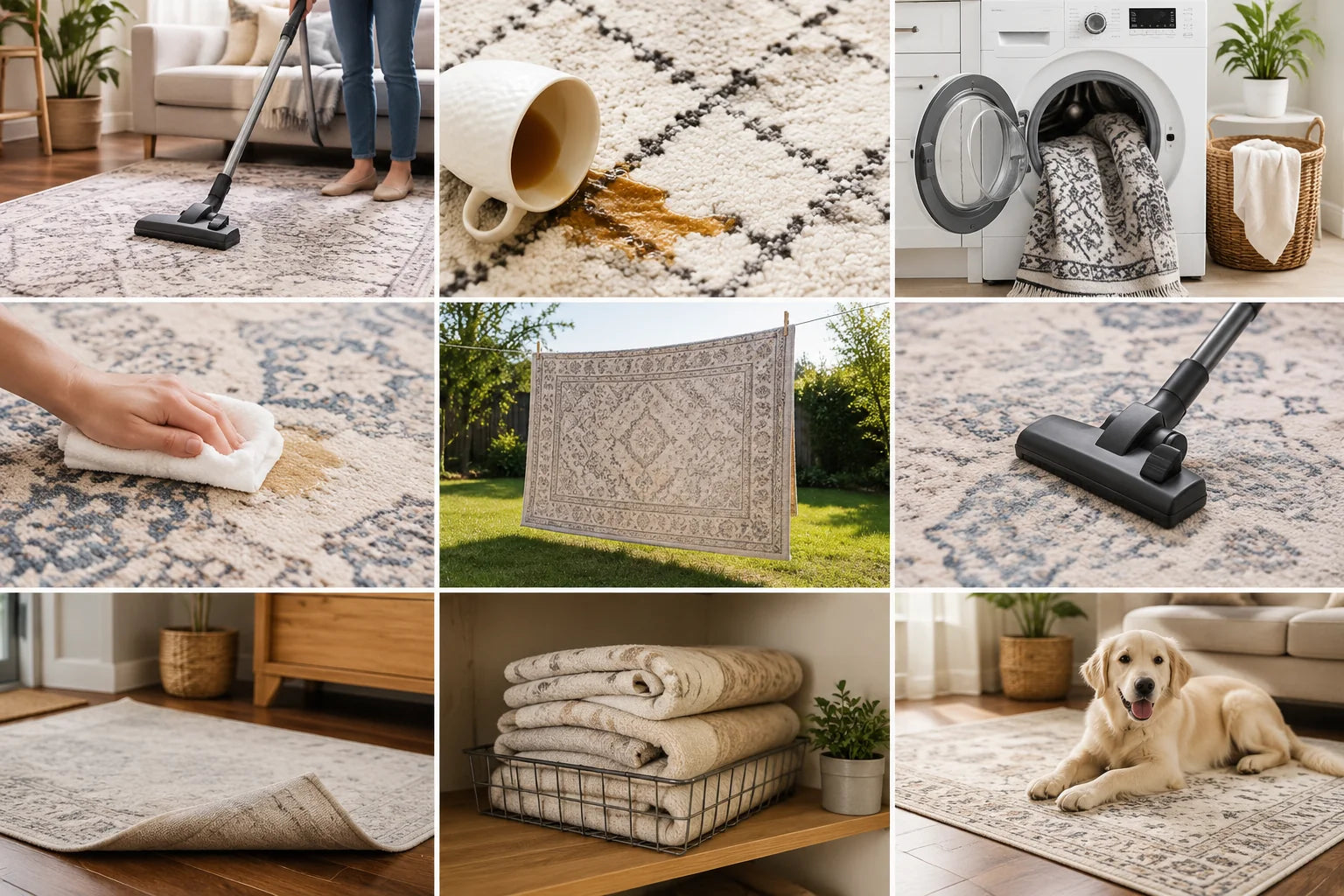
Routine care matters for both. Regular vacuuming, prompt spot treatment, and rotating the rug can help preserve appearance. Jute simply asks for more caution. If your room is likely to see spilled coffee, damp shoes, or enthusiastic pets, wool is usually easier to live with.
Best rooms for jute rugs
Jute rugs tend to perform best where their texture can be the star and the daily wear is relatively gentle. Think sitting rooms, layered living spaces, styled home offices, guest rooms, or sunrooms that stay dry. They are especially effective when you want to warm up a room without introducing a busy pattern.
Jute also works beautifully as a design foundation. In larger spaces, it can create a calm backdrop for upholstered furniture, wood tones, and accent décor. Many homeowners love the way it adds character while still letting the rest of the room breathe.
If you are selecting a jute rug, it helps to be realistic. Choose it for the look and feel of natural texture, not because you expect plush softness or easy cleanup.
Best rooms for wool rugs
Wool rugs are natural favorites for living rooms, bedrooms, dining rooms, and family spaces where comfort and durability need to coexist. They are also a strong option when the rug is a major design feature rather than just a neutral layer.
A wool rug can make a formal sitting area feel timeless, but it is just as effective in a relaxed home that needs softness and warmth. It is one of the few materials that can bridge elevated style and everyday function without feeling like a compromise.
For shoppers who want a rug that feels artfully crafted yet still practical enough for real households, wool often strikes the best balance.
Budget and long-term value
Jute rugs are usually more approachable in price, which makes them attractive for large rooms, secondary spaces, or quick style refreshes. If you want to bring in natural texture at a lower cost, jute can offer strong visual impact for the money.
Wool rugs typically come with a higher upfront price, but they often justify that cost through comfort, performance, and longevity. If the rug will sit in a central room and see years of use, spending more on wool can feel less like a splurge and more like a practical design decision.
This is where your timeline matters. If you are styling a space for a current look and do not mind replacing the rug sooner, jute may make sense. If you want something that can move with you through room updates and daily life, wool tends to deliver more lasting value.
So, which should you choose?
Choose jute if you love organic texture, want a relaxed and natural look, and are placing the rug in a lower-risk space where spills and heavy wear are less likely. It brings easy character to a room and has a beautifully understated presence.
Choose wool if softness, resilience, and versatility are higher on your list. It is often the better fit for busy households, comfort-driven rooms, and spaces where the rug needs to hold both visual and practical weight.
For many homes, this is not an either-or decision across the entire house. A jute rug in a serene office and a wool rug in the living room can be a very smart pairing. The most successful interiors are not built on strict rules. They are shaped around the way each room is actually used.
If you are standing between the two, picture the room six months from now, not just the day it arrives. The rug that still feels beautiful after busy mornings, quiet evenings, and everyday living is usually the right one.

Share:
Best Runner Rugs for Kitchens That Last
8 Bedroom Rug Placement Ideas That Work