

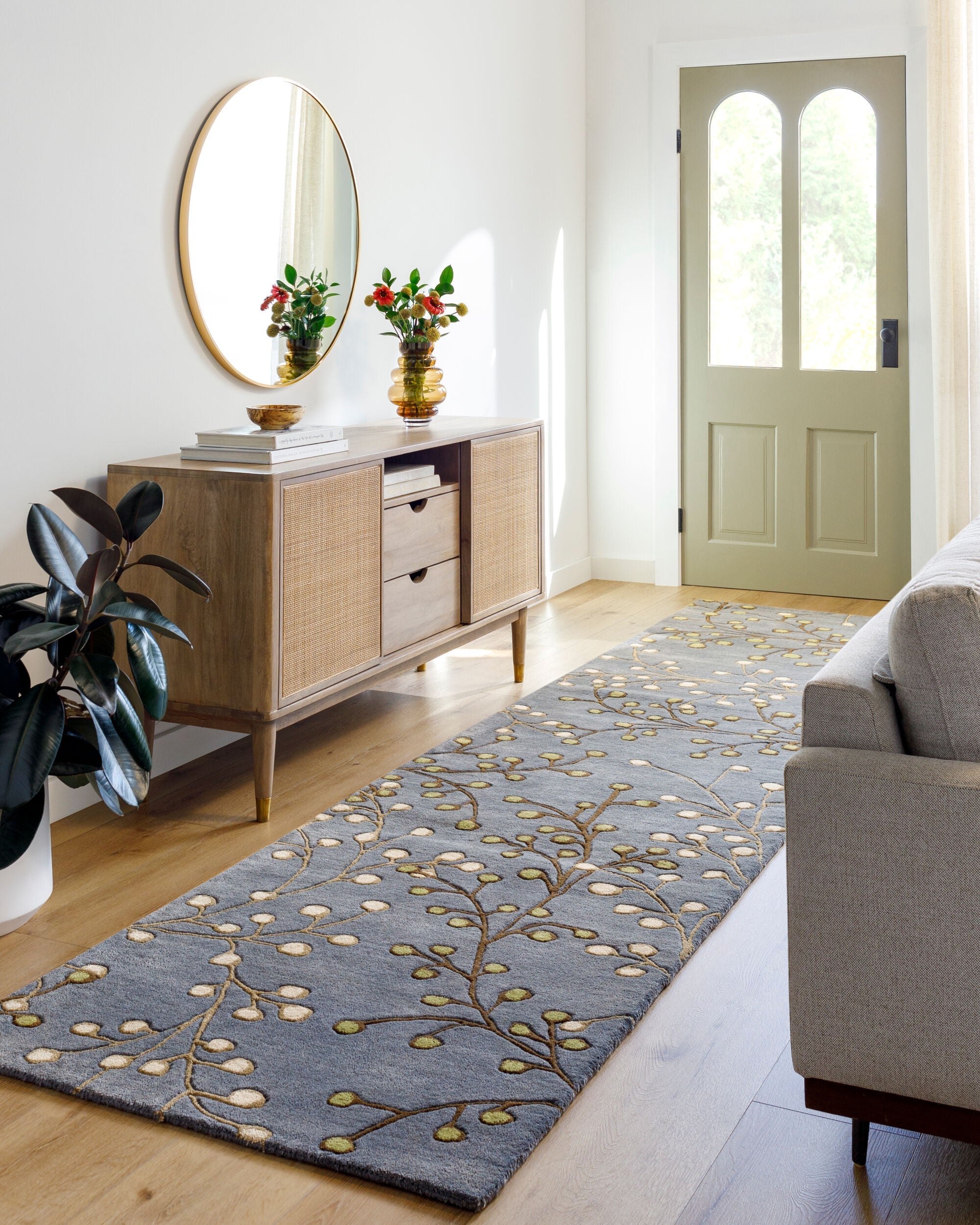
The hallway is often the most overlooked stretch of the home - and one of the hardest working. It catches muddy shoes, hurried mornings, grocery runs, pets skidding around corners, and guests forming their first impression. That is exactly why hallway runner rug ideas deserve more attention than they usually get. The right runner can soften a narrow passage, add character to a plain corridor, and make everyday traffic feel a little more considered.
A beautiful hallway runner does two jobs at once. It sets the visual tone for the rooms around it, and it solves practical problems like noise, wear, and underfoot comfort. The best choices are not just about pattern or color. They depend on scale, pile height, material, and the way your home actually functions.
Hallway runner rug ideas that change the feel of a space
Some hallways need warmth. Others need structure. Some are begging for pattern because the walls and flooring are quiet, while others already have plenty going on and need a calmer foundation. That is why a runner should feel intentional rather than decorative for decoration's sake.
If your hallway is long and narrow, a classic bordered runner creates a clean frame that makes the space feel more tailored. The border guides the eye down the hall and gives even a simple floor plan a finished look. This approach works especially well in traditional, transitional, and more formal interiors where symmetry matters.
For homes that lean modern, a subtle geometric design can bring energy without making the hallway feel busy. Think low-contrast motifs in ivory, charcoal, taupe, sand, or muted blue. A modern pattern can sharpen the architecture of the hallway, but if the corridor is especially tight, oversized motifs may feel crowded. In smaller footprints, finer patterning usually reads better.
Vintage-inspired runners are another strong choice because they hide wear beautifully. Faded medallions, washed palettes, and gently distressed detailing add instant character, especially in homes with wood floors that need a softer visual transition between rooms. They are especially forgiving in family homes where high traffic is part of daily life.
If your space already has statement wallpaper, dramatic lighting, or colorful art, a solid runner with texture may be the smarter move. Flatwoven wool, ribbed detailing, tonal striations, or a soft heathered finish can still add depth without competing for attention. Sometimes the most successful hallway runner is the one that quietly makes the whole space feel calmer.
How to choose hallway runner rug ideas by lifestyle
Design matters, but hallway runners live in one of the toughest zones in the house. That means performance should shape the decision just as much as style.
For busy households with kids or pets, low-pile and flatweave constructions tend to be the easiest to live with. They are less likely to catch doors, easier to vacuum, and generally better at handling constant foot traffic. A plush runner can feel luxurious, but in a narrow hallway it may show wear faster and require more maintenance than many shoppers expect.
Material also changes the experience. Wool runners bring natural softness and lasting resilience, which makes them a strong long-term choice for everyday living. Synthetic fibers can be especially appealing in active homes because they are often easier to clean and hold color well. If your hallway connects directly to an entry or mudroom zone, durability and cleanability should probably outweigh delicate texture.
Pattern placement is worth considering too. Multi-tone designs are naturally more forgiving than very light solids, especially in homes where shoes are not always left at the door. Cream can be beautiful in a hallway, but it depends on your tolerance for upkeep. A soft ivory base with layered pattern usually gives you the light look without the stress.
A rug pad is also part of the equation, not an afterthought. In hallways, grip matters. A quality pad helps prevent slipping, adds a little cushioning, and supports the life of the runner over time. It is one of the simplest ways to make a good rug perform like a better one.
Size and placement make or break the look
One of the most common runner mistakes has nothing to do with color or style. It is choosing the wrong size.
A hallway runner should usually leave a visible border of flooring on each side. That border helps the rug feel centered and intentional instead of wall-to-wall and cramped. In many homes, a few inches of floor showing on both sides creates the right balance, though the exact amount depends on the width of the hall.
Length matters just as much. A runner that is too short can look like it is floating awkwardly in the middle of the corridor. A runner that is too long may run into door swings or feel visually crowded near thresholds. The most polished placement usually leaves breathing room at both ends, creating a clean start and finish.
If your hallway has several doors opening into it, low pile becomes even more important. It helps avoid friction at the bottom of doors and keeps the walkway feeling smooth. This is one reason flatwoven and performance-oriented runners are often so successful in practical family homes.
For extra-long hallways, one continuous runner usually looks more elegant than breaking the space into smaller rugs. But there are exceptions. If your hallway changes direction or has architectural interruptions, using separate runners can feel more natural. The key is making the placement look deliberate, not improvised.
Style directions worth considering
Some of the best hallway runner rug ideas come from thinking about the mood you want the passage to create, not just the rug itself.
A traditional runner in rich navy, brick, sage, or rust brings depth and timeless elegance. It pairs beautifully with warm wood furniture, framed artwork, and homes that lean classic without feeling overly formal. This look tends to age well, which makes it appealing if you want a purchase that will still feel right years from now.
A neutral contemporary runner offers a different kind of luxury. Soft greige, ivory, stone, and charcoal can make a hallway feel airy and composed. This direction suits minimalist homes, coastal interiors, and modern organic spaces where texture and restraint carry more impact than bold color.
Global and bohemian-inspired runners add movement and personality, especially if the rest of the home feels clean-lined or understated. The trick is balance. A hallway can absolutely carry a more expressive pattern, but if adjacent rooms are already layered with prints, a quieter runner may create better flow.
Striped runners are also worth a close look. They can visually elongate a short hall or give a long corridor a more architectural rhythm. Narrow stripes tend to feel crisp and classic, while softer, irregular striping feels more relaxed and collected.
Then there is the understated charm of a tonal border runner. It is often the answer for shoppers who want polish without visual noise. This style works across a wide range of interiors and has a refined, designer-led feel that is easy to live with.
Buying with confidence online
Shopping for a runner online can feel slightly riskier than buying for a larger room because hallways are less forgiving. Measurements need to be right, and details like pile height matter more than many people realize.
Start with exact dimensions, not estimates. Measure the width of the hallway, then account for the flooring you want to show on each side. Check door clearance before you fall in love with a thicker construction. If the hallway connects to an entry, think through how the rug will handle dirt, moisture, and constant use.
It also helps to shop with an eye toward product details that support real life. Visible stock availability, straightforward shipping, clear material information, and return policies all matter when you are trying to make a confident design decision from home. That mix of inspiration and practicality is where a well-curated retailer like Rug Resources can make the process feel easier and more reassuring.
Customer reviews can also be surprisingly useful for hallway runners. They often reveal whether a rug feels softer, flatter, brighter, or more muted than expected. In a narrow space where every detail is more noticeable, that kind of insight can save you from a near miss.
Hallway runner rug ideas for a more finished home
A hallway may not be the room where you spend the most time, but it is a space you experience every single day. A well-chosen runner can bring tranquil harmony to the passage between rooms, soften the pace of the home, and make even routine movement feel more beautiful.
If you are choosing between a rug that simply fits and one that truly suits your home, trust the option that balances character with function. The best hallway runner is not just attractive in a product photo. It is artfully crafted for the way you live, and it makes the ordinary path through your home feel complete.

Share:
How to Choose Rug Size for Every Room
How to Shop Modern Area Rugs Online