

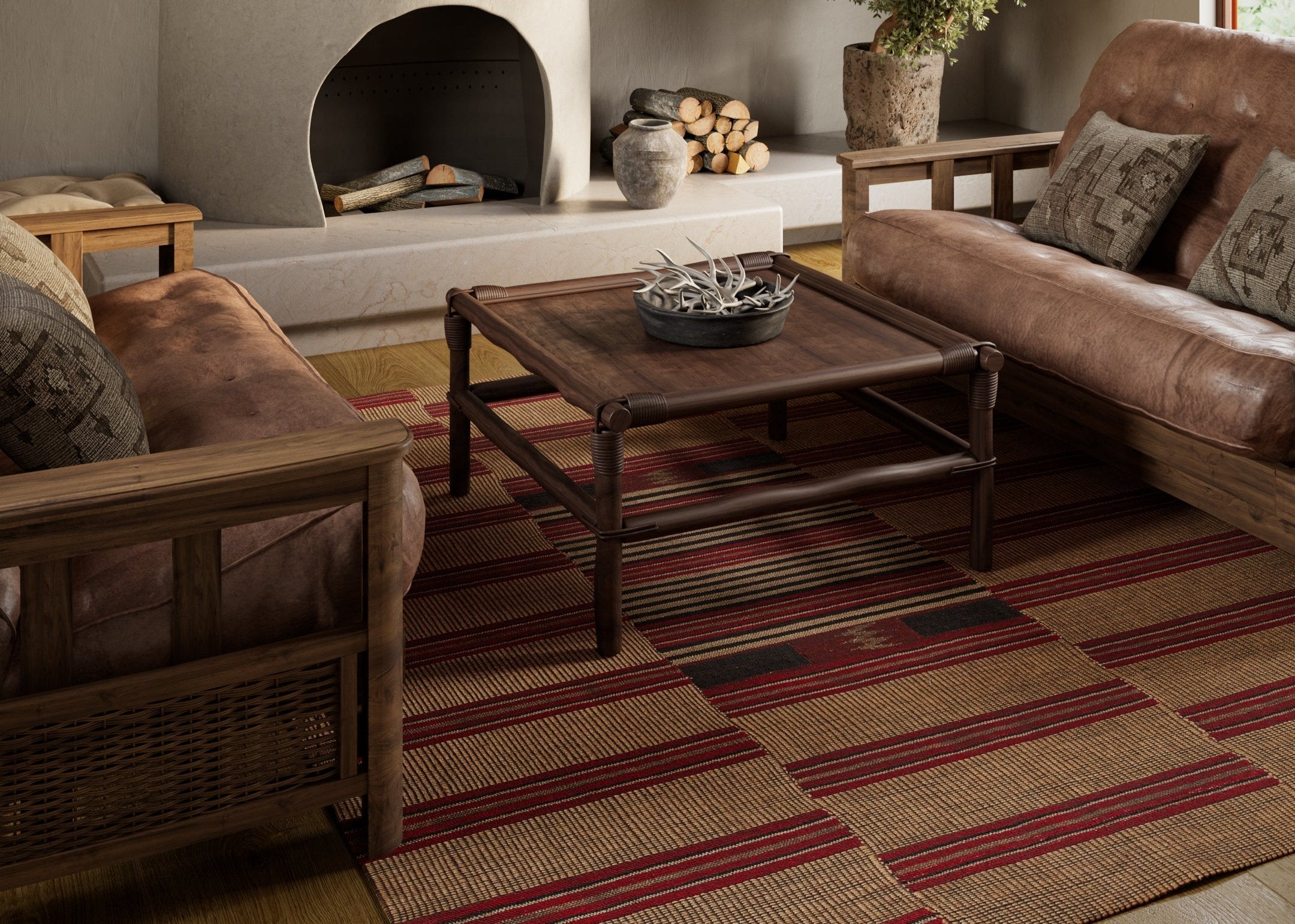
A room can feel almost right for months - the sofa works, the paint is flattering, the lighting is warm - yet the space still lacks that finished, pulled-together ease. Often, the missing piece is underfoot. Transitional rugs for home bring that sense of balance many rooms need, blending classic pattern language with a lighter, more current point of view.
They are especially appealing for homes that do not fit neatly into one style category. Maybe your dining room leans traditional, but your lighting is cleaner and more modern. Maybe your living room has a vintage wood coffee table, a tailored sectional, and soft, updated neutrals. A transitional rug helps those choices feel intentional rather than mixed by accident.
What makes transitional rugs for home so versatile
Transitional style lives in the middle ground, which is exactly why it works in so many interiors. These rugs often borrow the graceful motifs of traditional Persian or Oriental-inspired designs, then soften them with muted palettes, distressed finishes, simplified patterning, or a more relaxed overall look. The result feels timeless without reading formal.
That balance matters in everyday spaces. A fully traditional rug can be beautiful, but in some homes it may feel too ornate or too serious. A very modern rug can sharpen a room, but it can also leave it feeling a bit cold if everything else is soft, layered, and familiar. Transitional rugs hold both ideas at once. They add history, texture, and visual depth while keeping the room fresh and livable.
This is also why they tend to have staying power. Trends move quickly, but rugs are foundational purchases. Most people want something that can work through a furniture update, a paint change, or a move to a new home. Transitional styling offers that flexibility.
How to choose transitional rugs for home
The best rug is not simply the prettiest one on the screen. It needs to work with the architecture of your room, the scale of your furniture, and the pace of your daily life. Transitional rugs are forgiving stylistically, but there are still a few decisions that shape whether the final look feels polished.
Start with the room's existing tension
Every space has a design conversation already happening. You may have crisp upholstered pieces paired with antique wood tones, or airy linen drapery next to darker metal accents. Transitional rugs do their best work when they respond to that contrast.
If your room feels a little formal, a faded transitional pattern can relax it. If your room feels too plain, a rug with subtle medallion detail or layered motif can add character without overwhelming the palette. If your furniture is heavily modern, look for a transitional rug with visible pattern movement to keep the space from feeling flat.
The key is not matching every detail. It is creating harmony between old and new, tailored and relaxed, refined and comfortable.
Choose color with the whole house in mind
Color is often where shoppers narrow too quickly. Transitional rugs come in a wide range of tones, from warm sand and ivory to slate blue, rust, charcoal, sage, blush, and greige. Because these rugs often feature softly blended palettes, they can carry more than one color family without looking busy.
For open-concept homes, consider how the rug will relate to nearby spaces, not just the room where it sits. A living room rug that picks up subtle blue-gray notes from the kitchen backsplash or warm beige from the dining chairs can make the home feel more cohesive.
That said, cohesion does not mean sameness. If everything in the room is neutral, a transitional rug with washed terracotta or muted olive can introduce depth without taking over. If your furniture already has strong color, a quieter rug may be the better anchor.
Pay close attention to scale
Pattern scale changes the mood of a room more than many people expect. A transitional rug with a large, open motif tends to feel cleaner and more current. A tighter, more intricate pattern often feels more classic and layered. Neither is better. It depends on the effect you want.
In smaller rooms, a dense pattern can hide wear and bring richness, but it may also make the space feel visually busier if your furniture and textiles already have a lot going on. In larger rooms, a more expansive design can help the rug feel intentional rather than overly fussy.
Size matters just as much as pattern. In a living room, a rug should usually sit under at least the front legs of the seating. In a bedroom, it should extend generously around the bed so the room feels grounded. In a dining room, make sure the rug reaches beyond the chairs when they are pulled out. Even a beautiful rug looks undersized if it floats awkwardly in the center.
Materials, pile, and real-life performance
A rug has to look good, but it also has to live well. Transitional designs are available in wool, polypropylene, polyester, viscose blends, and other constructions, each with a slightly different feel and level of practicality.
Wool often brings beautiful texture, resilience, and a more elevated hand. It is a strong choice for shoppers who want richness and natural character. Synthetic fibers can be excellent for busy households, especially in high-traffic rooms where stain resistance and easier maintenance matter more. Low-pile constructions are often ideal for dining areas, hallways, and homes with pets, since they are easier to clean and less likely to catch under doors.
There is always a trade-off. A silky finish may look luminous but can show footprints or wear differently over time. A highly durable performance rug may be the smarter family-room choice, though it may not have the same plush feel as a thicker wool style. The right decision depends on where the rug will live and how your household actually uses the room.
Transitional rugs for home with kids and pets
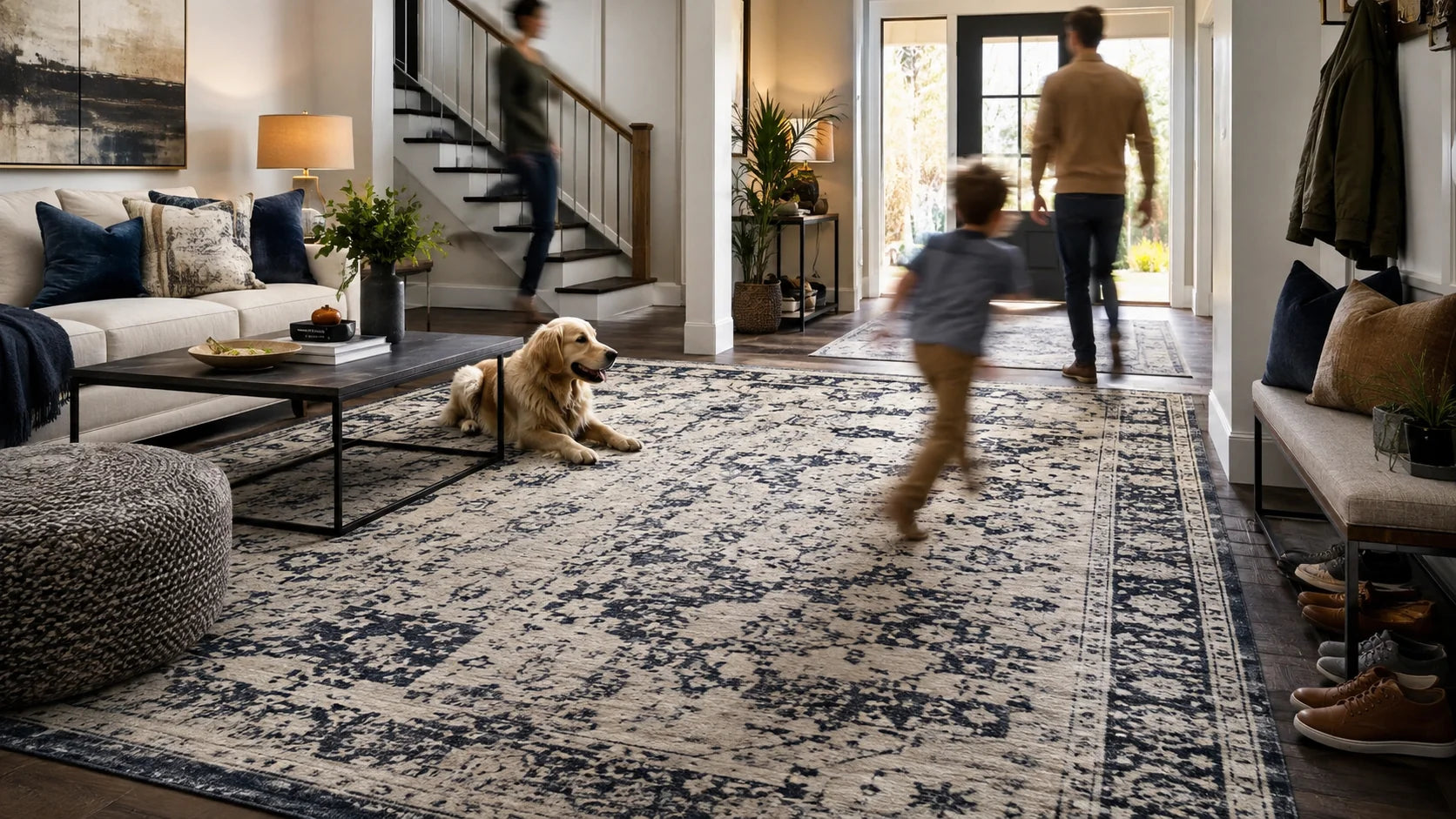
If your home is active, transitional style is still very much within reach. In fact, it is often one of the most practical design directions because distressed patterning and tonal variation tend to disguise everyday debris better than solid rugs or very high-contrast designs.
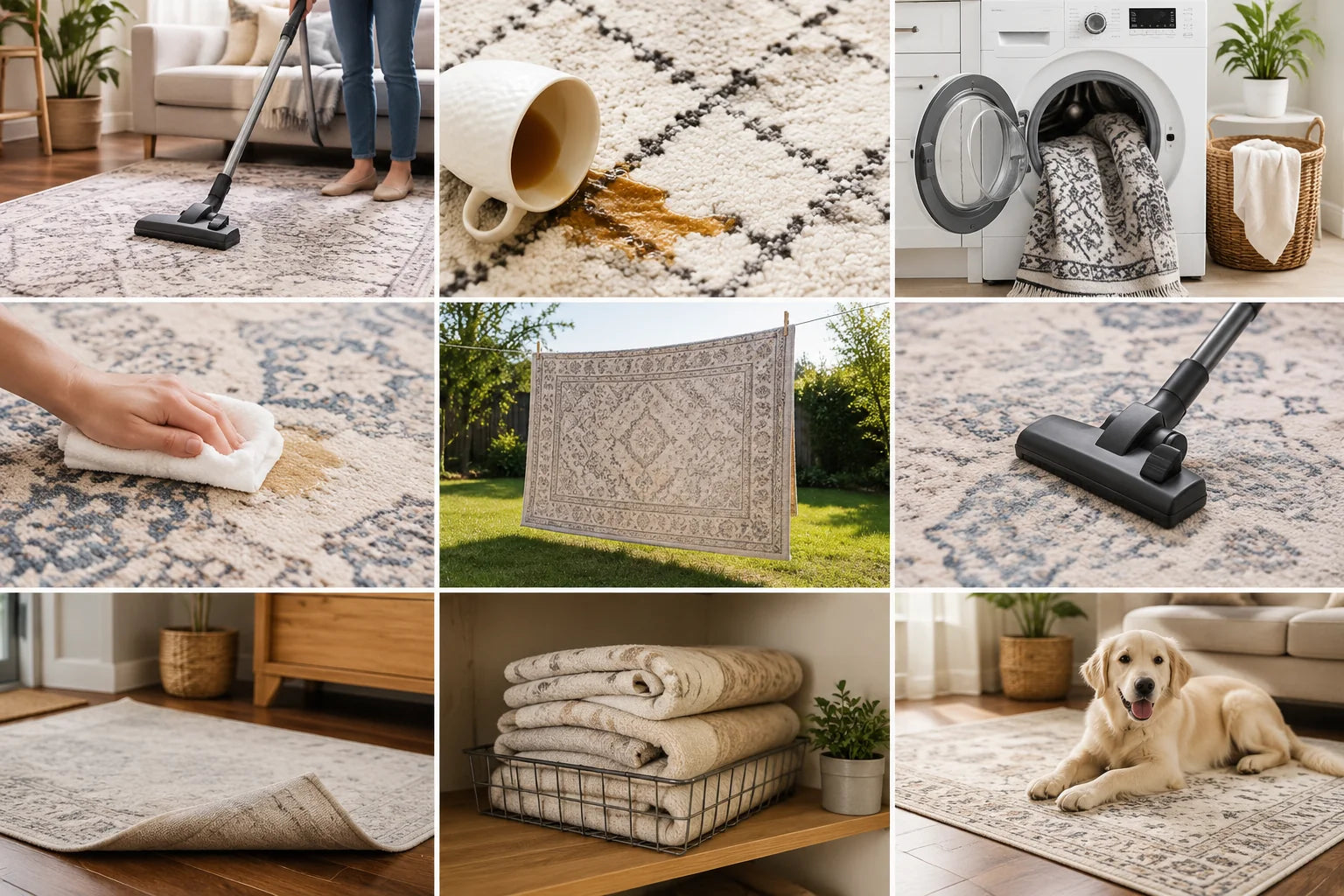
Look for medium to low pile, durable fibers, and colors that are forgiving. Cream can be beautiful, but in a breakfast nook or family room, a layered palette with taupe, blue, charcoal, or warm earth tones may give you more peace of mind. A rug pad also matters. It helps with comfort, keeps the rug in place, and can extend the life of the rug over time.
For shoppers buying online, this is where clear product details become especially valuable. Pile height, material notes, room recommendations, and customer reviews help turn a beautiful image into a confident purchase.
Styling transitional rugs room by room
In living rooms, transitional rugs often work best as the visual bridge between upholstery and accent furniture. A softly distressed design can warm up a newer sectional, while a more defined motif can add structure to a room filled with rounded shapes and soft textiles.
In bedrooms, these rugs create a quieter kind of luxury. Muted traditional-inspired patterns bring softness and a sense of calm, especially in ivory, stone, blue-gray, and faded rose palettes. The room feels finished without becoming overly decorative.
In dining rooms, transitional rugs add elegance while still feeling approachable. Because dining spaces benefit from order and symmetry, rugs with centered motifs or balanced allover patterns tend to work especially well. Just keep pile height practical enough for chair movement.
Hallways and runners are another natural fit. Transitional patterns have enough movement to make a pass-through space feel thoughtfully designed, but they are not so bold that they compete with nearby rooms. In a hallway, that balance is especially useful.
Why this style lasts
The lasting appeal of transitional rugs comes down to emotional flexibility as much as visual flexibility. They can feel serene, tailored, welcoming, and quietly expressive all at once. They suit first apartments and forever homes. They work with inherited pieces, new builds, and rooms that are still evolving.
That makes them a smart online purchase, especially when you want design credibility without feeling locked into a single look. A well-chosen transitional rug can make a room feel more layered on day one and still feel right years later, even after the furniture shifts or the wall color changes.
If your space needs softness, structure, and a little more story, transitional style is often the answer hiding in plain sight. Choose the rug that connects your room rather than competes with it, and the whole home starts to feel more settled.

Share:
9 Traditional Rug Decorating Ideas to Try
Bohemian Rugs for Bedroom Style That Lasts