

A traditional rug can steady a room faster than almost any other design choice. If your space feels a little unfinished, too stark, or visually scattered, the right traditional rug decorating ideas can bring in pattern, warmth, and that lived-in sense of polish that makes a home feel complete.
Traditional rugs have range that people often overlook. They are not limited to formal rooms or historic homes. A richly patterned Persian-inspired area rug can soften a modern sectional, give a neutral bedroom more depth, or add character to a busy family hallway without asking the rest of the room to become overly ornate.
Why traditional rugs still work so well
Traditional rugs endure because they do two jobs at once. They offer decoration through color, motif, and border detail, but they also create order. The pattern gives your eye a focal point, while the structure of the design helps define furniture placement and room flow.
That balance is especially useful in everyday homes. Open layouts need visual anchors. Neutral rooms need variation. High-traffic spaces need something that hides a little life. A traditional rug often answers all three.
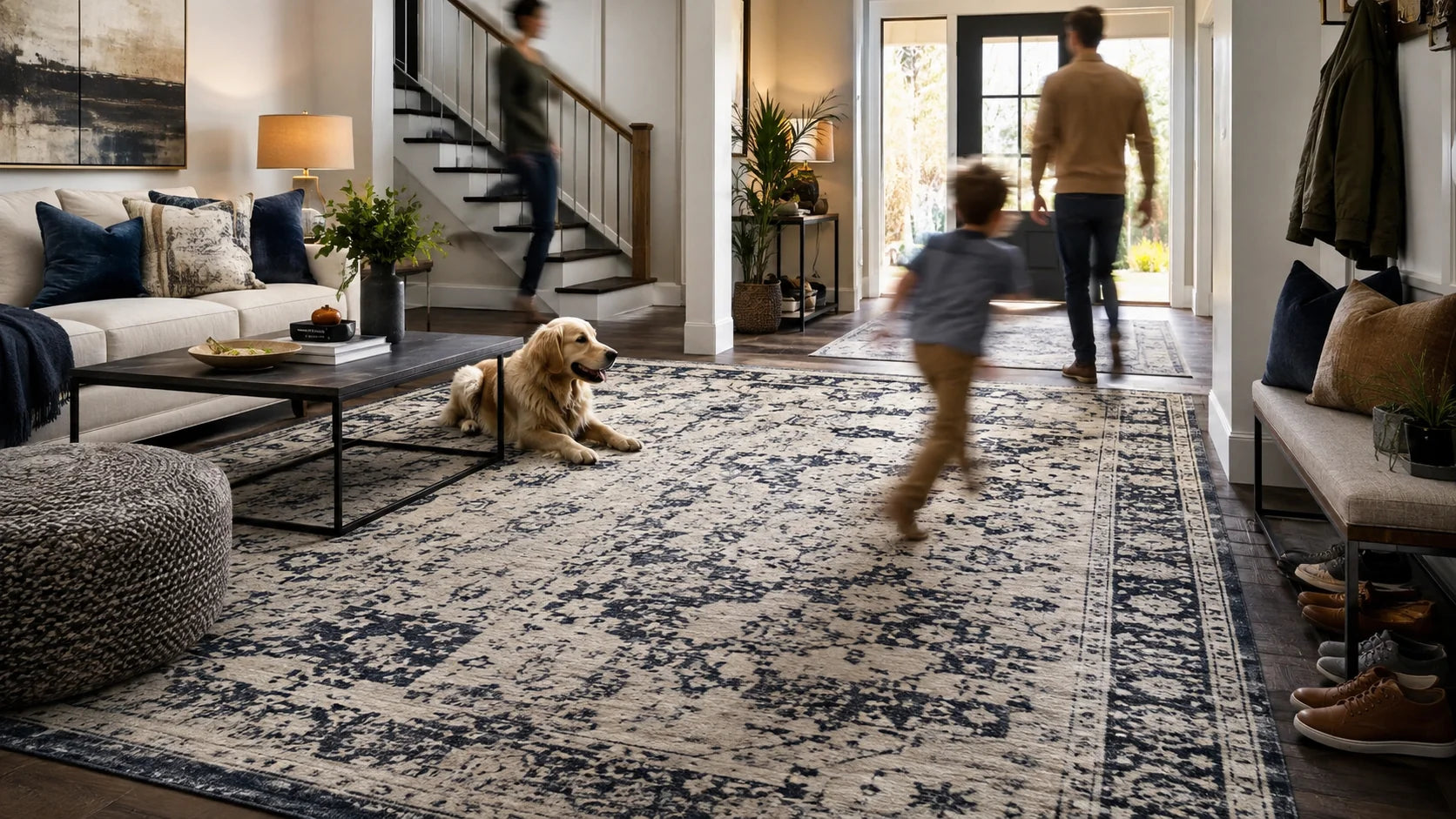
There is also a practical advantage. Detailed patterns tend to be forgiving around pet hair, footprints, and day-to-day wear, especially in medium to darker palettes. If you love the idea of a beautiful room but also need it to function for kids, guests, or constant movement, traditional styles can feel both elevated and realistic.
Traditional rug decorating ideas for every room
Let the rug be the room's color story
One of the smartest ways to decorate with a traditional rug is to use it as your palette leader. Instead of trying to match every piece exactly, pull two or three colors from the rug and echo them elsewhere through pillows, drapery, artwork, or accent upholstery.
This approach creates cohesion without making the room feel staged. A navy and rust rug, for example, can ground a living room with cream seating, walnut wood, and brass lighting. A softer ivory and sage pattern can guide a calmer bedroom with linen bedding and warm oak tones.
It helps to choose one dominant color from the rug, one secondary color, and one subtle accent. More than that can feel busy unless your style leans collected and layered.
Use a traditional rug to soften modern furniture
This is one of the most effective traditional rug decorating ideas because the contrast feels intentional. Clean-lined sofas, streamlined beds, and simple dining tables benefit from the visual richness of a classic rug pattern. The rug keeps minimal furniture from feeling cold, and the furniture keeps the rug from feeling too formal.
The key is restraint in the surrounding pieces. If the rug has a detailed medallion or intricate border, let other large furnishings stay fairly simple in shape. You get depth and character without visual competition.
This mix works beautifully in apartments, newer homes, and renovated interiors where you want warmth but not heaviness.
Go larger than you think in the living room
A traditional rug has more presence when it properly frames the seating area. In most living rooms, that means at least the front legs of the sofa and chairs should sit on the rug. When the rug is too small, even a beautiful design can feel disconnected from the rest of the room.
A larger rug also lets the pattern read more clearly. Borders look more intentional, and the center design has space to breathe. If you're choosing between two sizes, the larger option usually gives the room a more composed and designer-led look.
This matters even more in open-concept homes, where the rug is helping define the living zone within a bigger footprint.
Try a faded traditional style for a lighter look
Not every traditional rug needs deep red, navy, or espresso tones. If you love timeless motifs but want a fresher mood, look for washed palettes, lower-contrast patterns, or vintage-inspired designs in blush, sand, mist blue, or muted gray.
These styles keep the elegance of traditional design while feeling easier in bright, casual interiors. They pair especially well with boucle, light wood, white walls, and transitional furniture.
There is a trade-off, though. Very pale rugs can show everyday mess more quickly in active households. If the room sees a lot of traffic, a softly distressed pattern with a bit of tonal variation will usually be more forgiving than a flat, light background.
Room-by-room ways to style traditional rugs
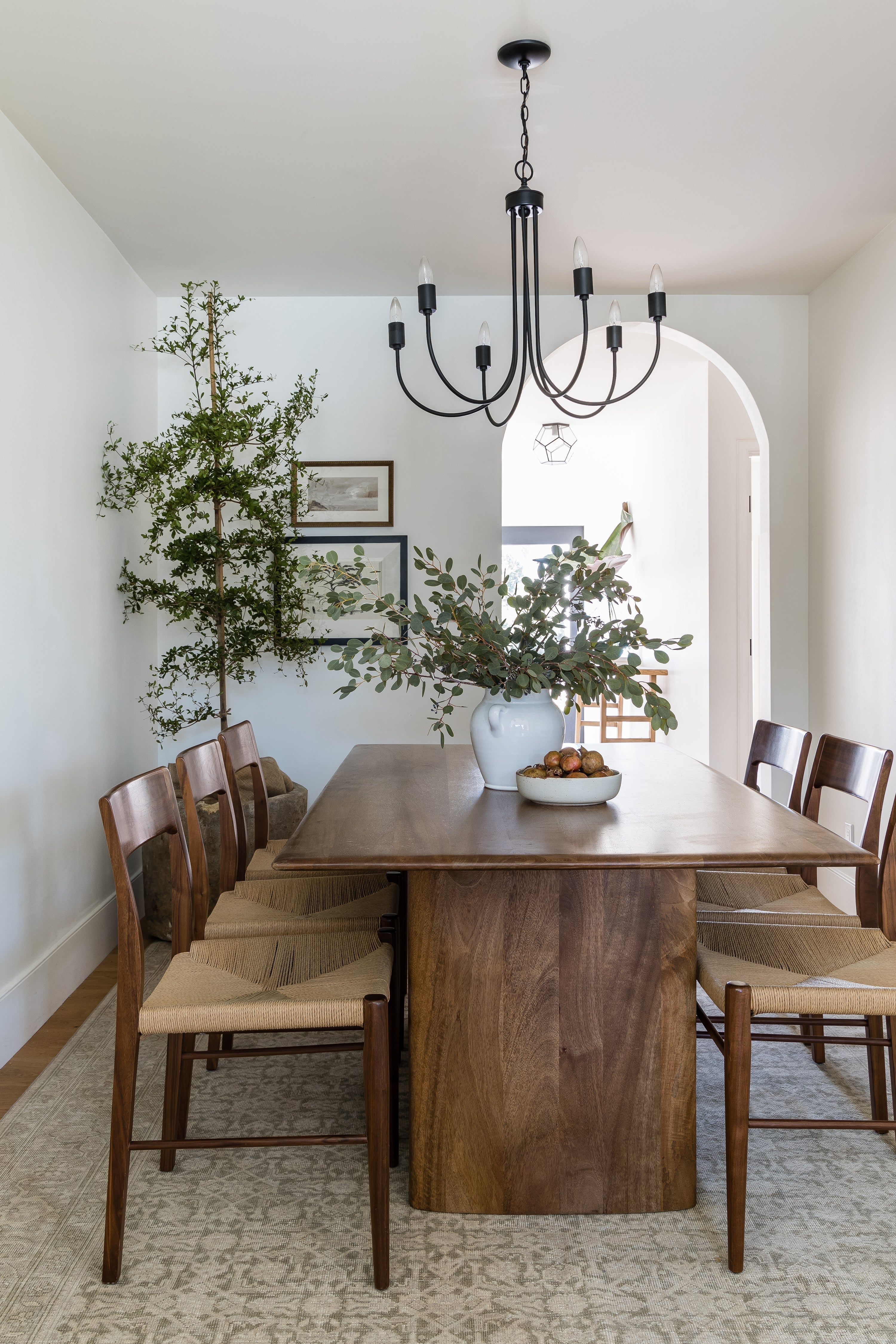
In the dining room, frame the table generously
Traditional rugs and dining rooms are a natural pairing. The formality of the rug complements the structure of the table, and the pattern adds movement beneath all those hard surfaces.
Size is what makes this work. The rug should extend far enough beyond the table that chairs remain on the rug even when pulled out. If the rug is too tight, the room will feel awkward no matter how attractive the pattern is.
For busy dining spaces, lower-pile constructions are often the better choice. They sit more neatly under chairs and tend to be easier to maintain. A detailed pattern also helps disguise the occasional crumb or scuff between cleanings.
In the bedroom, place softness where you actually step
A traditional rug can make a bedroom feel more finished and more personal, especially if the furniture itself is fairly simple. Under a bed, the rug should extend enough at the sides and foot to create a soft landing when you get up.
If a full-size area rug is not the right fit for your budget or layout, runners on each side of the bed can deliver a similar effect. This works particularly well in narrower rooms or guest bedrooms where you want warmth without overwhelming the floor.
Bedrooms are a good place to lean into gentler traditional palettes. Soft blue, ivory, taupe, and muted rose can feel serene while still bringing pattern into the room.
In hallways, use pattern to create rhythm
Hallways often get treated as pass-through spaces, but a traditional runner can make them feel intentional. The repeating motifs guide the eye, add softness underfoot, and bring character to an area that usually has little furniture or decor.
In a high-traffic hallway, durability matters as much as style. Look for a runner that can handle regular foot traffic and pair it with a rug pad for stability. This is one of those small upgrades that changes how a home feels every day.
If your hallway is narrow or dim, a lighter ground color can help brighten it. If it sees constant use from kids, pets, or entry traffic, a more saturated pattern may be the smarter option.
How to layer traditional rugs without making the room feel heavy
Layering can make a room feel collected, but it needs a light touch. One of the easiest ways is to place a smaller traditional rug over a larger natural fiber rug. The flat woven base adds texture and scale, while the patterned top rug introduces detail and color.
This works well in large living rooms, under beds, or in spaces where a single rug size feels either too small or too expensive to achieve the look you want. It also helps if you love a vintage-style pattern but want to keep the room airy.
Pay attention to contrast. If both rugs are visually busy, the room can tip into cluttered. Usually, one quiet texture plus one patterned rug gives the best result.
What to pair with traditional rugs
Traditional rugs are surprisingly flexible, but the surrounding materials matter. Wood furniture, linen, leather, velvet, aged brass, matte black, and natural stone all work beautifully because they give the rug something grounded to play against.
What usually does not work as well is overcommitting to one historical style unless that is truly your goal. A room filled with ornate wood carving, heavy drapery, and multiple dense patterns can feel dated instead of timeless. Most homes benefit from a mix - classic rug, cleaner upholstery, and a few layered textures that keep the space current.
This is where shopping with practical filters helps. Pile height, fiber feel, traffic performance, and room size matter just as much as pattern. A gorgeous rug still needs to suit how your household lives.
Choosing traditional rug decorating ideas that feel personal
The best rooms do not treat a rug as a finishing touch. They let it shape the atmosphere from the start. Maybe that means a dramatic bordered rug under a dining table, a softly faded runner in the hallway, or a classic medallion design that brings depth to a clean-lined living room.
If you are choosing online, look closely at scale, color variation, and how the pattern will read at your room size. A rug that feels intricate in a close-up may read almost solid from across the room, while a bold border can become a defining feature once furniture is in place. Brands and collections with clear dimensions, in-stock visibility, and dependable delivery can make that decision feel much easier.
Traditional rugs have a way of making a home feel settled, gracious, and expressive all at once. Choose one that reflects your palette, your pace of life, and the mood you want to come home to - and the rest of the room tends to follow.

Share:
How to Shop Modern Area Rugs Online
How to Choose Transitional Rugs for Home