


A rug can make a room feel composed in an instant - but the wrong one can drain a budget just as quickly. The good news is that designer rugs for less are absolutely within reach when you know what to look for, what to prioritize, and where value really lives.
For many homes, the best rug is not the most expensive one. It is the piece that brings color into balance, softens the room, and stands up to everyday life without asking you to compromise on style. That is where a more thoughtful approach to shopping matters. A well-chosen rug should feel artful underfoot, but it should also suit your layout, your lifestyle, and your timing.
What designer rugs for less really means
There is a big difference between a rug that simply looks expensive and one that is genuinely design-led. When shoppers search for designer rugs for less, they are usually not looking for a throwaway piece. They want recognizable style, a polished palette, and details that feel considered - subtle pattern work, better texture, richer tones, or a silhouette that gives the room character.
Paying less does not have to mean settling for less. In many cases, it means buying with more clarity. You may choose a machine-made construction over a hand-knotted one, or a durable synthetic fiber in a high-traffic family room instead of wool. That is not a design compromise. It is smart editing.
The better question is not, "What is the cheapest rug I can buy?" It is, "What kind of rug gives me the most style and performance for the price?" That shift tends to lead to stronger choices.
Start with the room, not the rug
One of the easiest ways to overspend is to fall in love with a pattern before thinking about the space. A rug should support the room's rhythm. In a living room, that might mean anchoring the front legs of the seating so everything feels intentionally placed. In a bedroom, it may mean a soft frame around the bed that adds warmth when you wake up. In a hallway, it needs to create movement while still handling steady foot traffic.
When you begin with the room's function, your budget goes further. You are more likely to choose the right pile height, the right material, and the right size on the first try. That matters, because a discounted rug that is too small or too delicate for the space is not really a value.
Size is where many shoppers get tripped up. A rug that is undersized can make a beautiful room feel disconnected. Going up one size often creates a more luxurious effect, even with a simpler design. If you are deciding between a more elaborate rug in a smaller size and a cleaner rug in the size your room actually needs, the larger fit usually wins.
Where the value shows up
A lower price point can still deliver a refined look if a few key elements are working in your favor. Pattern clarity is one. Even in softer, distressed styles, the design should feel intentional rather than muddy. Color balance is another. Well-designed rugs tend to blend tones in a way that is easy to live with, which makes styling the rest of the room much simpler.
Texture also carries visual weight. A subtle high-low pile, a soft sheen, or a beautifully woven surface can make a rug feel more elevated than the price suggests. This is especially helpful in neutral spaces, where the rug may not be loud but still needs presence.
Brand curation matters too. Established rug lines often bring a more thoughtful point of view to pattern, construction, and color story. That does not mean every designer-associated collection is the right fit for every room, but it does mean you are more likely to find rugs with staying power rather than something that feels trend-chasing after one season.
Materials, durability, and the real cost of a rug
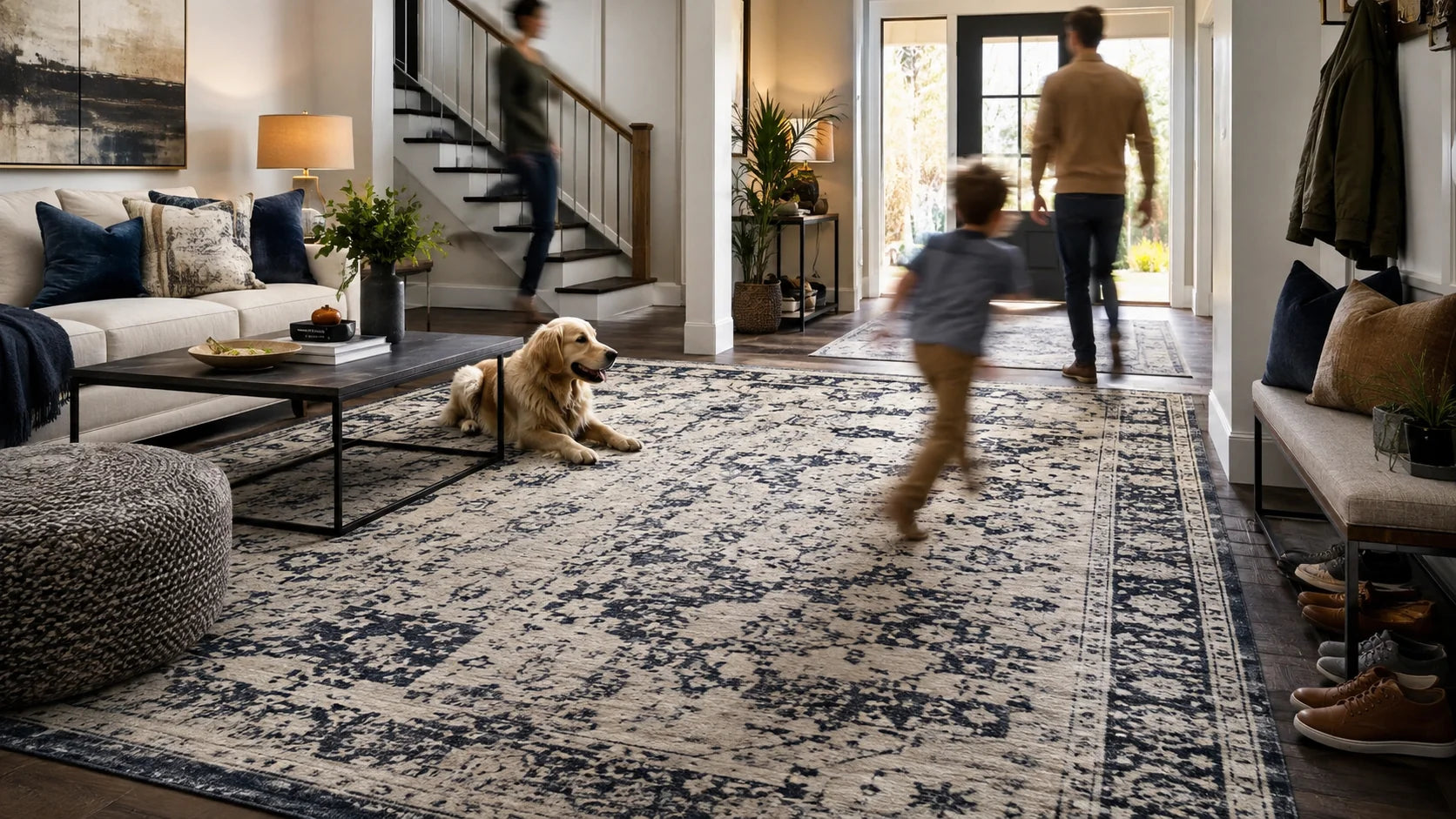
If you want designer style at a better price, material choice is where trade-offs become useful. Wool is beloved for its softness, resilience, and timeless appeal, but it can come at a higher cost and may shed at first. Polypropylene and polyester often offer strong value, especially for family spaces, dining rooms, and busy hallways where stain resistance and easier maintenance matter.
Cotton can work beautifully in casual spaces, though it may not provide the same structure or longevity as heavier constructions. Viscose and other sheen-forward fibers can look elegant, but they are usually better suited to lower-traffic rooms where you want a softer, more decorative effect.
There is no single best material. It depends on the room and how you live. A formal sitting area and a mudroom runner simply do not ask the same things of a rug. The smartest purchase is the one that aligns beauty with use.
How to shop designer rugs for less without second-guessing
A polished rug purchase usually comes down to filtering well. Start by narrowing your style direction. Traditional rugs bring depth and history, especially in living rooms and studies. Modern and contemporary styles offer cleaner geometry and often work well in open layouts. Global and bohemian looks add movement and personality. Transitional rugs are often the easiest bridge if your furniture mixes old and new.
Then look at practical details with the same care you give the pattern. Pile height affects how a rug feels, how easily furniture sits on it, and how simple it is to maintain. Lower piles tend to be easier in dining rooms, entryways, and homes with pets. Plush textures can feel wonderful in bedrooms or quieter lounging spaces.
It also helps to shop with confidence cues in mind. Visible stock status, clear dimensions, room photography, customer feedback, and straightforward return policies all reduce the risk of buying online. A beautiful image may draw you in, but the practical information is what helps you commit with peace of mind.
The best moments to buy
Timing can make a noticeable difference when you are shopping for designer rugs for less. Promotional periods are the obvious opportunity, but they are not the only one. End-of-season updates, collection refreshes, and limited in-stock runs can all create value if you are ready to act.
That said, waiting for the absolute lowest possible price is not always the smartest move. If a rug is in stock, fits your room, and checks your style and performance boxes, there is real value in buying before it disappears. The most frustrating bargain is the one that gets away while you are still deciding.
This is where a curated retailer can be especially helpful. Instead of sorting through endless options that all begin to blur together, you can focus on rugs that already reflect a strong point of view. Rug Resources does this well by pairing design-led collections with the practical details shoppers actually need, from quick shipping to visible availability and customer-friendly return reassurance.
A few design moves that make an affordable rug look elevated
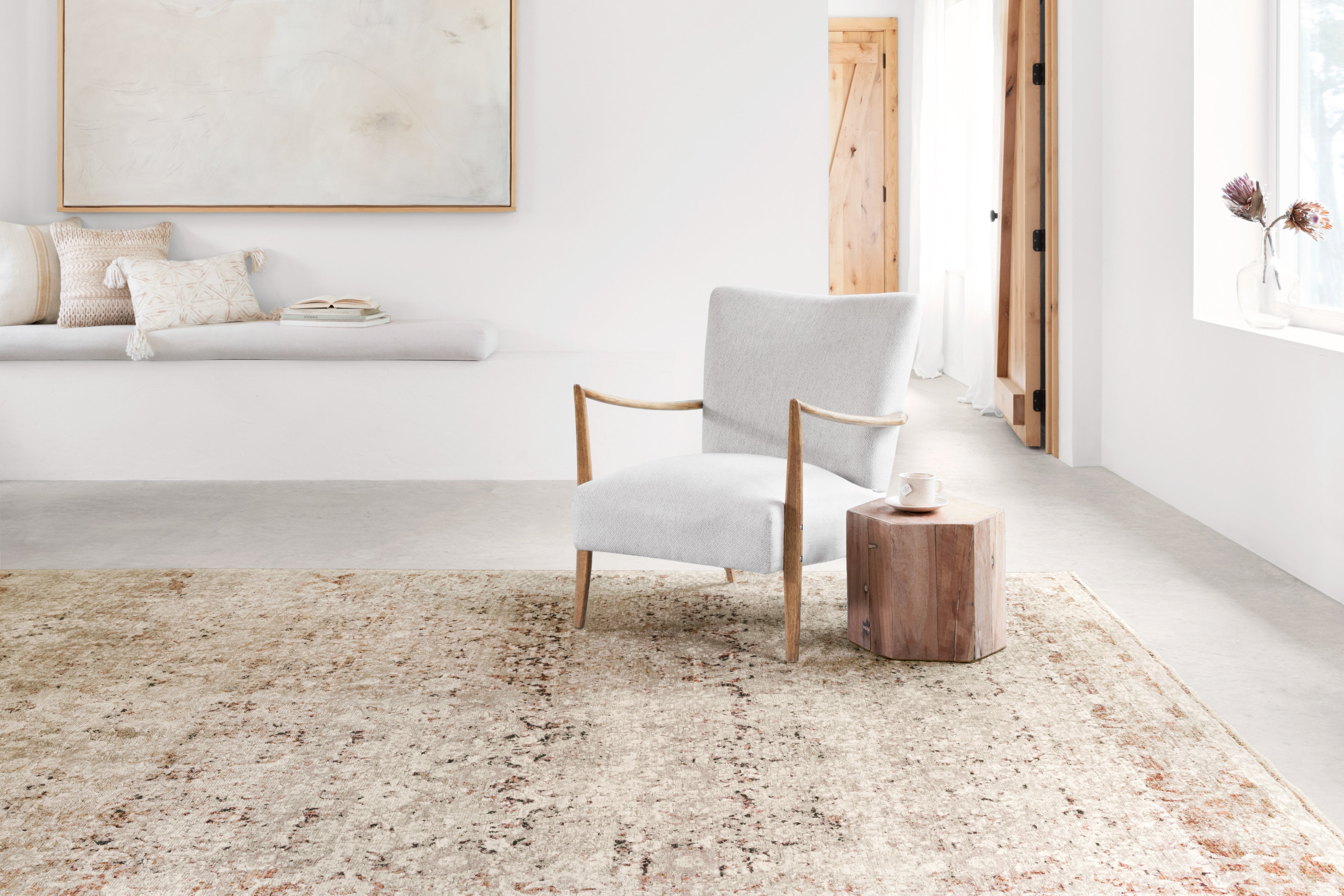
Even a modestly priced rug can feel luxurious when it is styled with intention. Let the rug relate to something already in the room, whether that is the undertone of the wood floor, a fabric on the sofa, or a note pulled from artwork. That sense of conversation makes the entire space feel more collected.
Layering can also add dimension. A patterned rug over a larger natural base is one approach, though it works best when the room has enough breathing space to support the look. In smaller rooms, clean placement often matters more than extra styling. Sometimes the most elevated choice is simply giving a beautiful rug enough room to be seen.
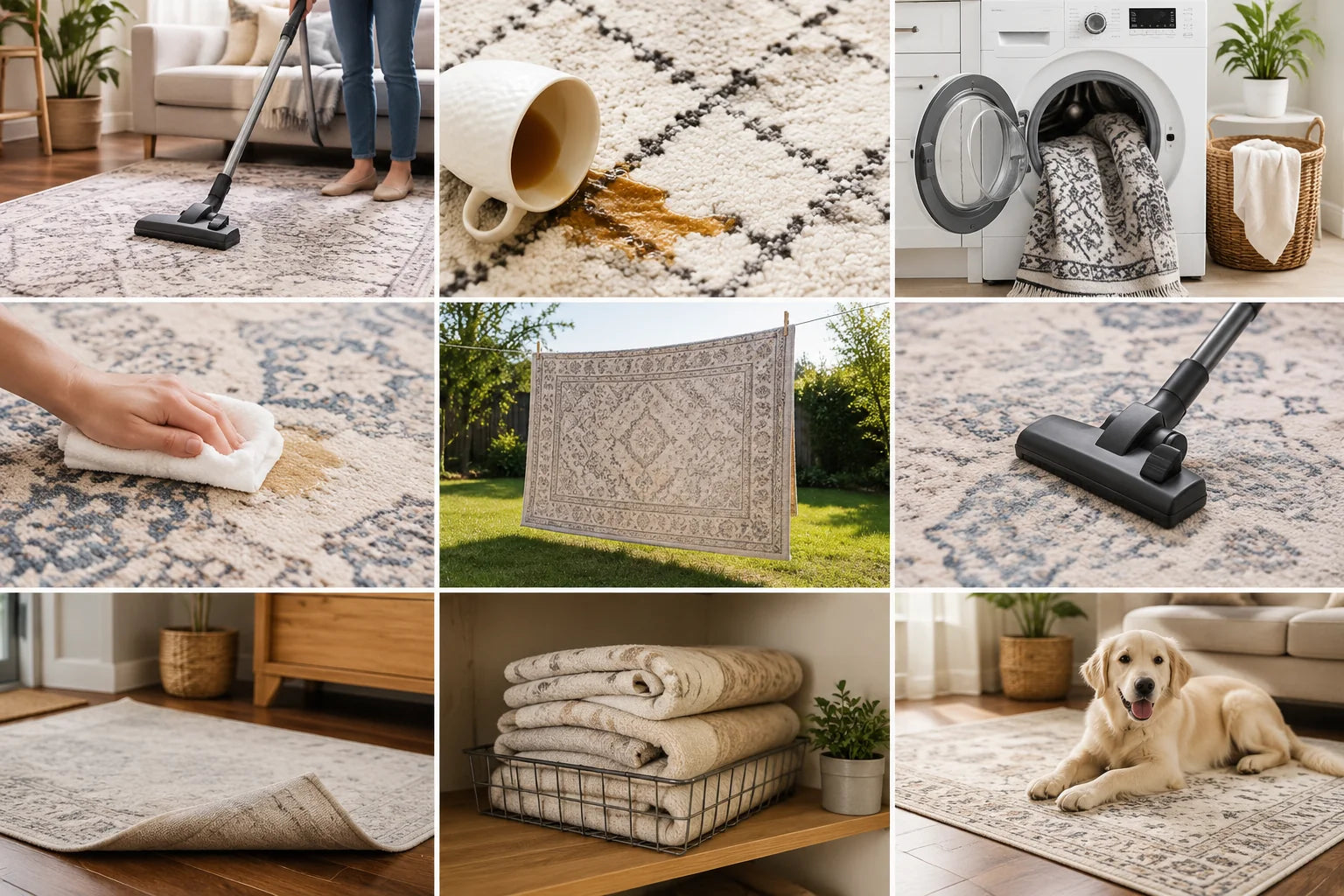
Do not underestimate the role of a rug pad, either. It helps with comfort, reduces shifting, and can extend the life of the rug. That is not a glamorous purchase, but it is often part of what makes a room feel finished and a rug feel more substantial.
When spending less is the better design decision
There are moments when a lower price point is not just acceptable - it is the smarter call. If you are decorating a child's room, a first apartment, a vacation home, or a space that may evolve quickly, flexibility has value. The same is true if you love refreshing your interiors every few years.
A more accessible rug can also free up budget for other pieces that shape the room in a lasting way, like better lighting, custom drapery, or a stronger furniture layout. Design is rarely about putting all your resources into one item. It is about balance.
The most memorable rooms do not announce what was expensive. They feel calm, intentional, and personal. If your rug brings the room together, feels right underfoot, and supports the way you live, it has already done the most important work.
A beautiful home does not come from paying the most. It comes from choosing well, trusting your eye, and finding pieces that give your space character without making your budget feel stretched thin.
Share:
Neutral Rugs for Small Spaces That Work
Rug Pad Buying Guide for Every Room