

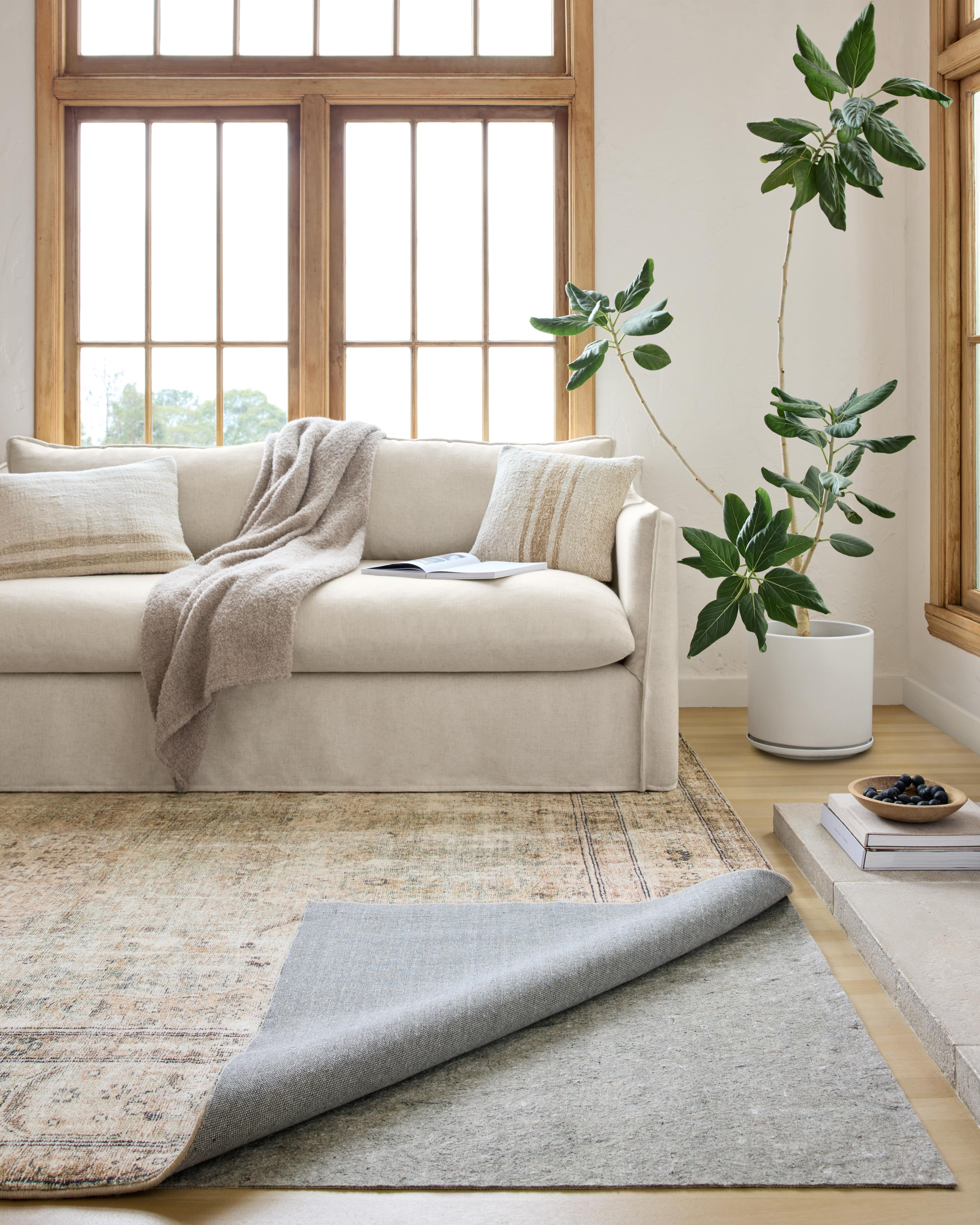
A beautiful rug can change the mood of a room in an instant, but the layer beneath it often decides how that room actually lives. A smart rug pad buying guide is less about accessories and more about comfort underfoot, cleaner lines, floor protection, and keeping your rug right where it belongs.
If you have ever watched a runner creep down the hallway, noticed corners curling in a living room, or felt a rug look thinner than it should, you have already met the case for a rug pad. The right one adds quiet structure to a space. It helps a rug feel more substantial, protects hard surfaces from abrasion, and can even extend the life of the rug itself.
Why a rug pad matters more than most shoppers expect
Rug pads do a few jobs at once, which is why choosing one well makes such a difference. First, they create grip. That matters in busy homes where kids, pets, and daily foot traffic can shift a rug little by little until it sits off-center or becomes a tripping point.
Second, they add cushion. Even a low-profile flatweave or vintage-inspired design can feel softer and more finished with the right amount of padding beneath it. In bedrooms and living rooms, that comfort reads as luxury. In hallways and entryways, the goal is usually more about stability and less about plushness.
Third, rug pads protect both surfaces. The rug gets support, which can reduce wear from friction and repeated pressure. Your flooring gets a buffer against scratches, finish transfer, and trapped debris grinding between the rug and the floor.
That said, not every rug needs the same pad. A hand-tufted wool area rug in a quiet sitting room asks for something different than a washable runner in a high-traffic hallway. The best choice depends on the room, the floor, the rug’s construction, and the feel you want.
Rug pad buying guide by floor type
Your floor should shape your decision first. Hard surfaces usually need some level of grip, while carpeted rooms call for a different kind of stability.
Hardwood, tile, laminate, and luxury vinyl
On hard floors, non-slip performance is essential. You want a pad that keeps the rug from sliding without damaging the finish underneath. This is especially important in kitchens, entryways, hallways, and under dining tables where chairs create repeated motion.
For these spaces, a felt-and-rubber combination often offers the best balance. The rubber side helps anchor the rug, while the felt adds comfort and a more tailored look. Pure rubber-style grip pads can work for very thin rugs, but they usually provide less cushion and may feel too minimal in rooms where comfort matters.
If you have delicate floor finishes, always look for materials designed to be safe for hard floors. That detail matters more than shoppers realize.
Carpeted floors
Placing a rug over carpet can look polished and intentional, but it comes with its own challenge. Rugs tend to ripple or drift on soft surfaces. In this case, the pad should help stabilize the rug rather than simply grip the floor.
A thinner pad designed for carpeted surfaces is usually the better fit. Too much thickness can create extra movement, which works against the clean, grounded look most shoppers want.
How thick should a rug pad be?
This is where style and practicality meet. Thickness changes the way a rug feels, but it also affects door clearance, furniture balance, and the overall profile of the room.
For most living rooms and bedrooms, a medium cushion feels inviting without overwhelming the rug. It gives the space a softer landing and can make an area rug feel more luxurious.
In dining rooms, thinner is usually better. Chairs need to slide in and out without catching on the edge of the rug, and a thick pad can make the setup feel unstable. The same logic applies to entryways and any area near a door swing. If the door scrapes the rug, the pad is too thick.
Hallway runners almost always benefit from a lower-profile pad. You want secure footing and a smooth silhouette, not extra height.
Match the pad to the rug style
Not all rugs behave the same way, and the pad should support the construction of the piece above it.
Flatweaves and low-pile rugs
These rugs often need a little help looking settled and substantial. A pad can soften the feel and prevent the lightweight structure from shifting. Because flatweaves are usually thinner, the added support underneath makes a noticeable difference.
Hand-tufted and medium-pile rugs
These styles often pair beautifully with a felt-and-rubber pad. They already have body, so the goal is to enhance comfort and reduce friction without adding excessive lift.
High-pile or plush rugs
With a softer, thicker rug, more padding is not always better. Too much cushion can make the rug feel overly springy and less stable, especially under furniture. In many cases, a moderate pad gives enough support without competing with the rug’s own texture.
Runners and small accent rugs
These are the rugs most likely to move. Prioritize grip first. In a hallway, laundry room, kitchen, or beside the bed, a secure low-profile pad is usually the most practical choice.
Sizing matters more than you think
A rug pad should be slightly smaller than the rug itself, typically by about one to two inches on all sides. That allows the rug edges to taper naturally to the floor and keeps the pad from peeking out.
A pad that is too large can make the rug look awkward and feel unsafe. Too small, and the rug edges may curl or lack support. If needed, many pads can be trimmed for a more precise fit, which is especially useful for custom layouts, runners, or unusual dimensions like round and square rugs.
The room-by-room approach
Some purchases are easier when you stop thinking in product specs and start thinking in daily routines.
In the living room, comfort and staying power usually lead. This is where families gather, where coffee tables shift slightly over time, and where the rug often anchors the entire design story. A medium-cushion non-slip pad usually feels right here.
In the bedroom, softness matters. The first step out of bed should feel warm and finished. A slightly cushioned pad can make even a low-profile rug feel more inviting.
In the dining room, the best pad is usually thinner and stable. The rug should sit flat, chairs should move easily, and the setup should still feel polished after daily use.
In hallways and entryways, grip is the priority. These are transition zones with constant motion, so low-profile stability wins over plushness every time.
In kitchens, especially near sinks or prep areas, a thin non-slip pad can help keep smaller rugs or runners securely in place while adding just enough comfort for standing.
Common mistakes to avoid
One of the most common mistakes is choosing a rug pad based only on price. A cheaper pad may flatten quickly, shift out of place, or fail to protect your floors properly. Since the pad supports both the rug and the room, this is one detail worth getting right.
Another mistake is over-padding. Extra thickness sounds appealing, but too much loft can create instability under dining furniture, bunching in hallways, or clearance issues near doors.
It is also easy to assume every non-slip pad works on every floor. Materials matter. Always choose a pad intended for your flooring type and your rug’s use.
Finally, do not skip the pad because the rug feels heavy enough on its own. Even substantial rugs benefit from the added layer of protection, grip, and support.
What to look for when shopping online
When buying a rug pad online, focus on a few practical cues. Check the material composition, the thickness, the intended floor compatibility, and whether the pad is designed for grip, cushion, or both. Room context helps too. A pad for a serene bedroom retreat may not be the same one you want for a busy family hallway.
This is also where a curated shopping experience matters. Clear product details, visible stock status, and straightforward shipping and return policies make it much easier to buy with confidence, especially when you are coordinating size, style, and room function all at once.
At Rug Resources, that balance between design confidence and everyday practicality is part of the appeal. The goal is not simply to place a rug in a room, but to help it feel beautifully finished from the ground up.
The right rug pad is rarely the headline piece in a space, yet it changes how everything performs. Choose it with the same care you give the rug itself, and the whole room will feel quieter, more comfortable, and more complete.

Share:
How to Find Designer Rugs for Less
Loloi Area Rugs Sale: How to Shop Smarter