

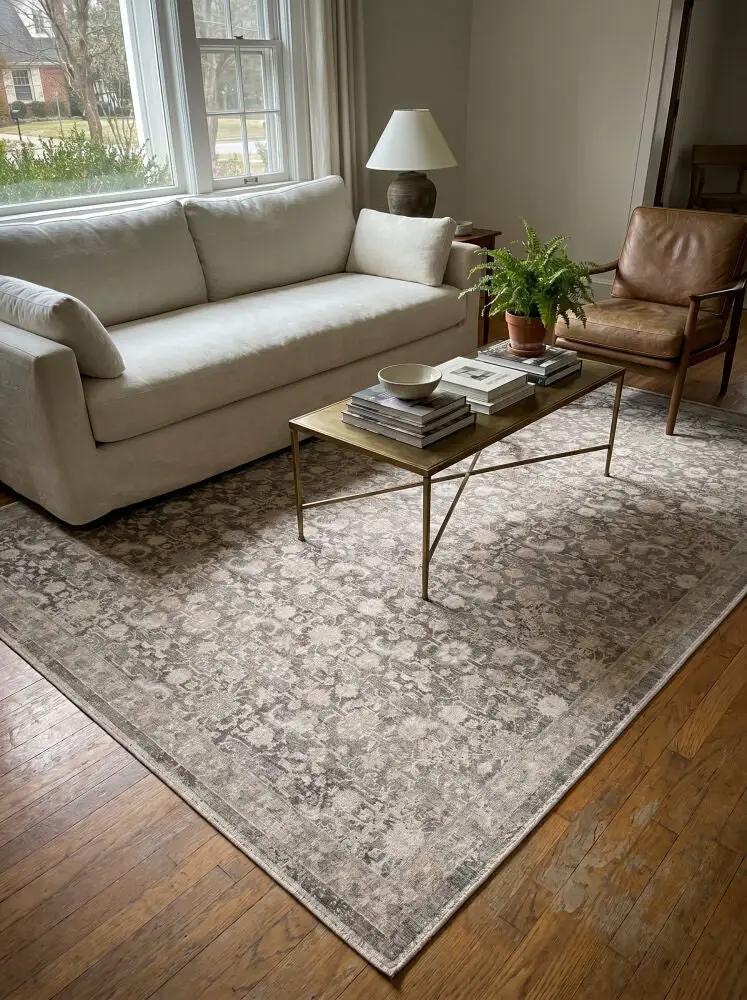

A new wool rug can leave a soft halo of fibers around the coffee table after its first few weeks at home. That can be surprising when you have chosen a beautifully made piece to ground the room. So, why do rugs shed? In many cases, shedding is simply loose fiber working its way out of the pile, especially in new rugs made with natural materials. The key is knowing what is temporary, what is material-specific, and what signals a rug may not be right for your space.
Why Do Rugs Shed in the First Place?
Shedding happens when short or loose fibers release from a rug’s surface during normal use. Foot traffic, vacuuming, pets, and even the simple friction of furniture all help bring those fibers to the surface. A rug can shed whether it is hand-tufted, hand-knotted, machine-made, or woven, but the amount and duration vary considerably by construction and material.
Natural fibers are the usual source of visible shedding. Wool has a naturally fuzzy character, which helps give a wool rug its inviting depth and warmth. During manufacturing, spinning, dyeing, and finishing, some shorter wool fibers remain in the pile. Those fibers are not always fully secured, so they release over time.
This does not mean a wool rug is poorly made. In fact, shedding is often part of the settling-in period for a substantial wool pile. Think of it as the rug finding its finished surface after being rolled, shipped, and introduced to everyday life.
The Rug Materials Most Likely to Shed
Wool: Beautiful, resilient, and naturally prone to shedding
Wool is a favorite for living rooms, bedrooms, and other spaces where comfort and timeless elegance matter. It feels soft underfoot, holds color beautifully, and has natural resilience. It also sheds more than many synthetic options, particularly when the yarn is cut into a plush pile.
A hand-tufted wool rug may shed more noticeably than a hand-knotted wool rug because its fibers are held in place differently. Hand-knotted rugs have individual knots woven into the foundation, while hand-tufted designs use yarn pushed through a backing and secured with adhesive. Both can be lovely additions to a home, but the hand-tufted construction is more likely to release fibers as it ages or sees heavy use.
The trade-off is straightforward: wool delivers a rich, tactile finish and lasting design appeal, but it requires patience and regular care. For many homes, that is a worthwhile exchange.
Viscose: Silky appearance, higher maintenance needs
Viscose rugs are often chosen for their luminous sheen and artful, silk-like finish. They can bring a refined layer to a formal bedroom, low-traffic sitting room, or styling-focused space. Yet viscose fibers can be delicate. They may shed, flatten, or become distressed more easily than wool or performance-focused synthetic fibers.
Moisture can be particularly challenging for viscose. A spilled drink, wet shoes, or overly aggressive cleaning may leave marks or alter the texture. If your home includes active children, pets, or a busy entryway, a viscose rug may be better reserved for a quieter room where its elegant character can be appreciated with less wear.
Jute and other natural plant fibers: Expect texture, not fluff
Jute, sisal, and seagrass rugs do not shed like wool, but they can release small fibers or fragments over time. Their texture is part of their appeal. These natural-fiber rugs add an easy, grounded look to sunrooms, dining rooms, and layered living spaces, but they're usually not the softest option for bare feet.
A little debris beneath a jute rug can be normal, particularly in the beginning. A rug pad helps reduce movement and friction, which can limit wear against the floor and keep the rug feeling more settled in the room.
Synthetic fibers: Usually the lower-shed choice
Polypropylene, polyester, nylon, and similar synthetic fibers typically shed very little. These materials are often excellent for high-traffic family rooms, hallways, playrooms, and pet-friendly homes because they are designed for durability and easy upkeep.
A synthetic rug can still release a few loose fibers when new, especially if it has a thick, cut-pile surface. But persistent shedding is much less common than it is with wool. If minimizing maintenance is your priority, a low-pile synthetic or indoor-outdoor rug is often a confident choice.
How Long Should Rug Shedding Last?
For a new wool rug, visible shedding can last from a few months to roughly a year. The timeline depends on pile height, construction, fiber quality and length, and how much traffic the rug receives. A plush wool rug in a lively living room will naturally release fibers faster than a flatwoven wool rug in a guest room.
The good news is that normal shedding should gradually decrease. You may notice fluff in the vacuum canister or small tufts along the rug’s edge early on, then less and less as the fibers settle. A rug should not continue losing large amounts of yarn indefinitely.
Be cautious if shedding gets worse after the first several months, if whole yarn strands pull free, or if you see bare patches developing. Those signs point beyond normal fiber release and may indicate damage, a snag, or a construction issue. Pets that scratch or chew, furniture with rough feet, and a vacuum with an aggressive beater bar can also cause localized damage that resembles excessive shedding.
How to Reduce Rug Shedding Without Damaging the Pile
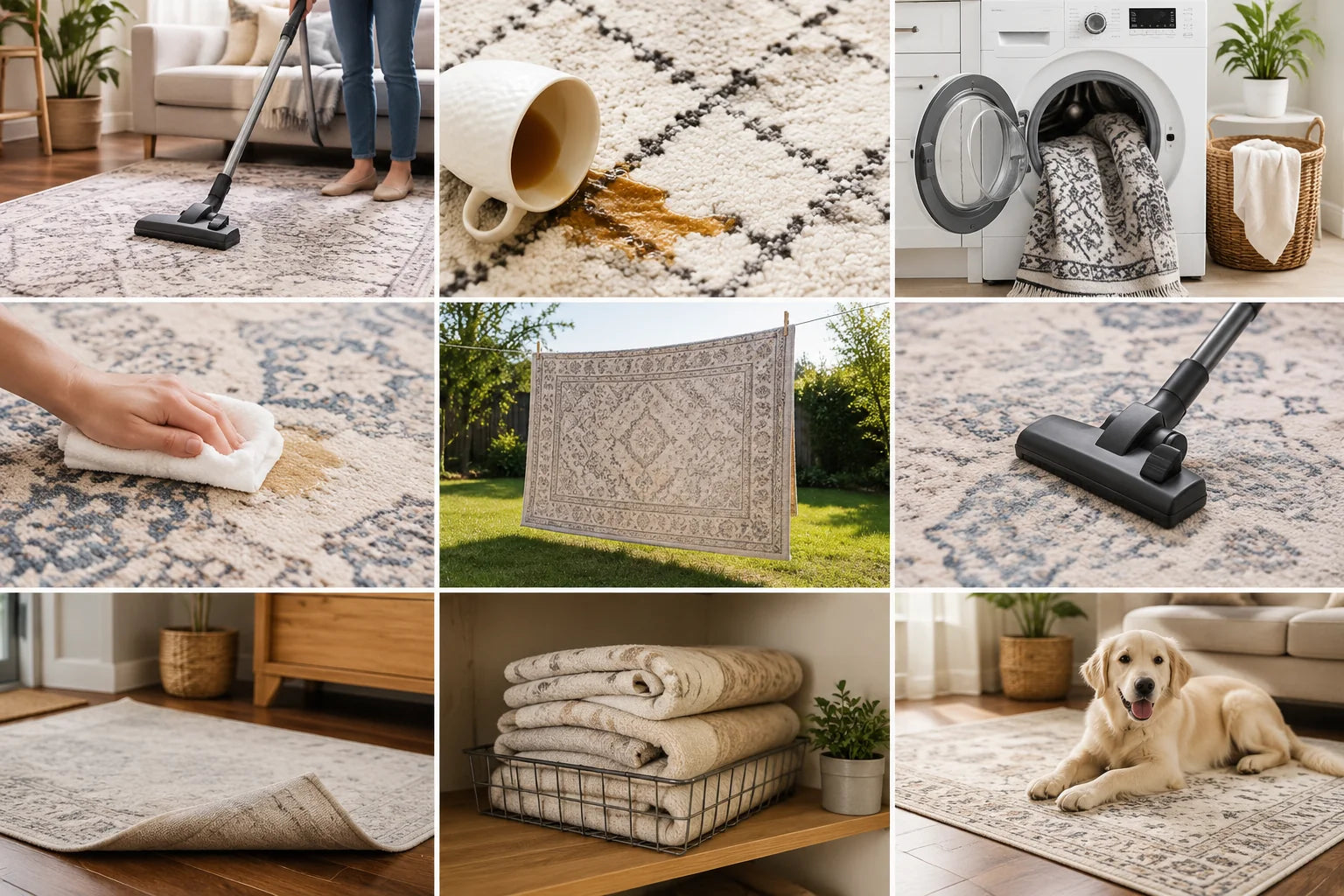
Gentle, consistent care makes a meaningful difference. Vacuum a shedding rug regularly, but adjust your method to its material and construction. For wool rugs, use suction only when possible, or set the vacuum’s beater bar to its highest setting. A rotating brush can pull at delicate fibers, particularly on high-pile, hand-tufted, fringed, or viscose rugs.
Vacuum in the direction of the pile rather than repeatedly working against it. If your rug has fringe, avoid vacuuming directly over the fringe. Use a handheld attachment around those details instead. This protects the decorative finish and keeps the ends from being caught or pulled.
Do not use a carpet rake or harsh brush to remove shedding. It may seem satisfying in the moment, but it can loosen more fibers and roughen the rug’s surface. Trim loose tufts carefully with scissors rather than pulling. Pulling can damage the surrounding yarn and create a more noticeable issue.
A quality rug pad is another quiet but valuable part of rug care. It cushions the pile, reduces slipping, and limits friction from movement underfoot. In rooms with hardwood, tile, or other hard flooring, a pad also helps preserve the rug’s shape and can make the entire arrangement feel more comfortable and substantial.
For spills, blot promptly with a clean, dry cloth rather than rubbing. When a rug needs deeper cleaning, follow the care guidance for its specific fiber. Wool and viscose often benefit from professional cleaning, while many synthetic rugs are more forgiving. The right care method protects both the rug’s appearance and the fibers that give it character.
Choosing a Rug With Your Lifestyle in Mind
There is no single best rug material, only the right balance for your room. If you love the nuanced texture and natural beauty of wool, a little early shedding may be a perfectly reasonable part of the experience. Place it in a bedroom or living room, maintain it gently, and give it time to settle into its role as the room’s foundation.
If you want a low-maintenance layer for a busy hallway, kitchen-adjacent dining area, or home with energetic pets, choose a durable synthetic construction or a low-pile weave. You will likely see less fiber release and enjoy easier everyday cleanup. For a serene, more formal space, a viscose blend can offer a beautiful finish, as long as you're comfortable with its more delicate nature.
At Rug Resources, material details, pile height, and traffic suitability can help guide the decision before a rug ever reaches your door. Looking beyond color and pattern is often what turns a beautiful choice into one that feels beautiful to live with.
A few loose fibers should not distract from the warmth a well-chosen rug brings to a room. Give a new natural-fiber rug thoughtful care, protect it with the right pad, and let its texture settle into your home's tranquil harmony.

Share:
Rug Pad Thickness for Comfort and Floor Care
How to Choose the Right Rug Size for Any Room in Your Home